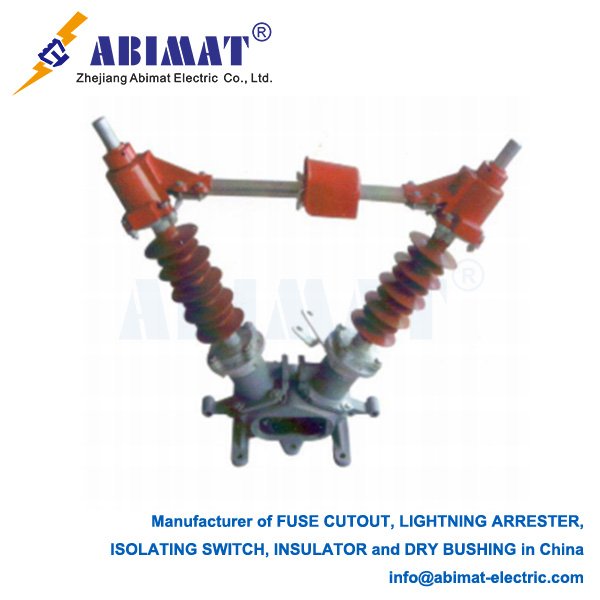
Primary Uses of the Drop-Out Fuse in Electrical Distribution Systems
The drop-out fuse—people also call it an expulsion-type fuse cutout—is a key part in medium-voltage overhead distribution networks. These networks usually range from 11kV to 33kV. Its design smartly combines two functions: overcurrent protection and a disconnecting switch you can see. So it’s a must for utility companies. Its main uses focus on keeping equipment safe and making sure operations stay safe.
The drop-out fuse—people also call it an expulsion-type fuse cutout—is a key part in medium-voltage overhead distribution networks. These networks usually range from 11kV to 33kV. Its design smartly combines two functions: overcurrent protection and a disconnecting switch you can see. So it’s a must for utility companies. Its main uses focus on keeping equipment safe and making sure operations stay safe.
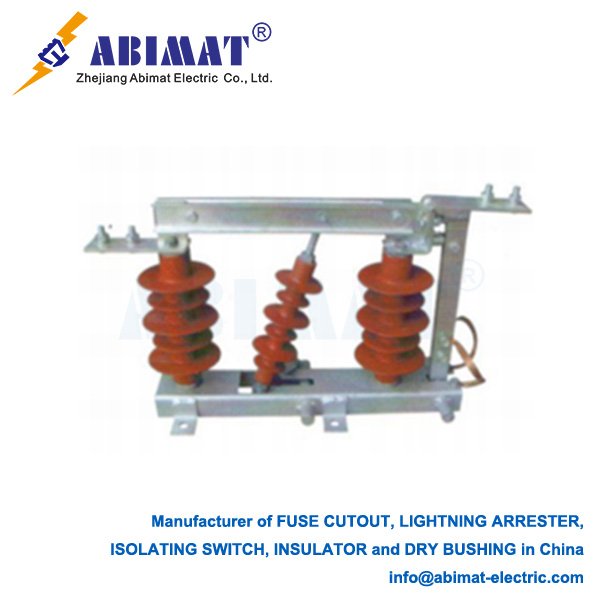
Another important use is to protect feeders and split circuits. Workers put fuses in smart spots along distribution feeders. This lets them isolate specific sections that have faults. People call this practice segmentation. It means fewer customers lose power during an outage. For example, if a fault happens downstream, only the fuse closest to the fault works. It shuts off the problem area. The upstream parts of the line stay energized. This makes the power supply more reliable overall. It also keeps service going longer.
Another important use is to protect feeders and split circuits. Workers put fuses in smart spots along distribution feeders. This lets them isolate specific sections that have faults. People call this practice segmentation. It means fewer customers lose power during an outage. For example, if a fault happens downstream, only the fuse closest to the fault works. It shuts off the problem area. The upstream parts of the line stay energized. This makes the power supply more reliable overall. It also keeps service going longer.
To sum up, the abimat drop-out fuse is mainly used for three things: protecting transformers, splitting feeder sections, and protecting capacitor banks. It can provide reliable overcurrent protection. It also creates a clear break you can see. These two things together make it a key part of safe and efficient overhead electrical distribution systems.