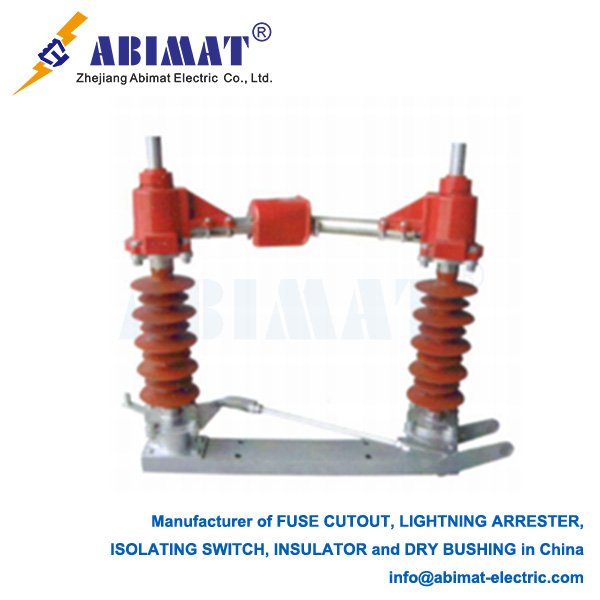
The Load Disconnector: A Critical Component for Electrical Safety and Isolation
For electrical power distribution and control systems, safety and reliable operation matter a lot. The load disconnector—people often call it a load-break switch—is a simple but key part. It’s built to meet these needs: it gives a safe way to isolate circuits and turn off their power.
Primary Function and Distinction
The load disconnector’s main job is to close and open an electrical circuit—this works when the load current is normal. You need to tell this device apart from two other things: a simple isolator (called a regular disconnector) and a circuit breaker.
A basic isolator is built to make a safe physical gap between parts. This only works when the circuit has no power, and it can’t stop current at all. A circuit breaker, though, is built to stop more than just load current. It can also stop powerful fault or short-circuit currents.
The load disconnector is somewhere in between. It can safely stop the rated load current, but you can’t use it to stop short-circuit currents. For that, you usually need a separate overcurrent protection device (like a fuse or circuit breaker) installed in the line.
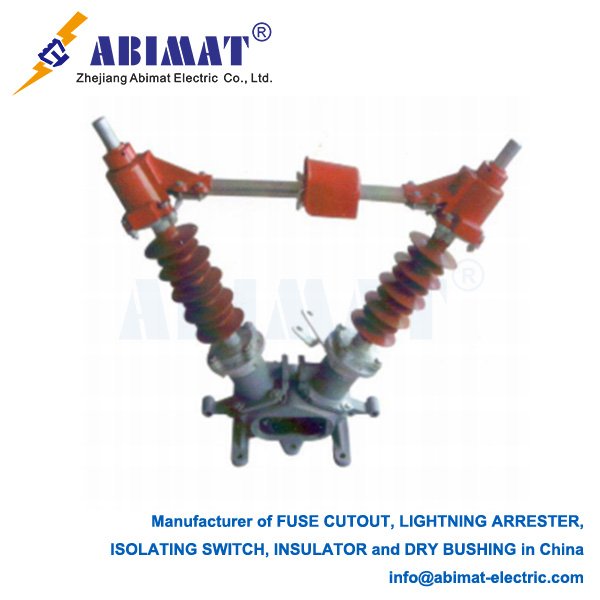
Key Operational Characteristics
One key safety feature is easy to spot: when the switch is open, you can clearly see the isolation gap. This tells workers the downstream circuit is physically cut off from the power source, so they can do maintenance safely.
Load disconnectors have a rating for specific closing and opening currents. Making capacity is the ability to close the switch onto a live circuit; it might need to handle the initial current rush. Breaking capacity is the maximum load current it can safely stop when opening.
To stop unsafe use, load disconnectors often have interlocks. One common interlock keeps the box door from opening when the switch is in the “ON” position—and this protects workers from accidentally touching live parts.
Applications
Load disconnectors are used in many places:
- Motor Control Centers (MCCs): They act as the main disconnect for each motor’s feeder.
- Power Distribution Panels: They work as the main incoming isolator or a feeder isolator.
- Capacitor Banks: People use load disconnectors to isolate these banks from the power supply. This lets the banks discharge, and it makes maintenance safe.
- Industrial Machinery: They provide a safe, local isolation point for machines and production lines.
All in all, you can’t work without an abimat load disconnector. It makes sure you can control operations, and most importantly, it keeps workers safe. It does this by providing reliable load switching and secure isolation for low and medium-voltage electrical systems.