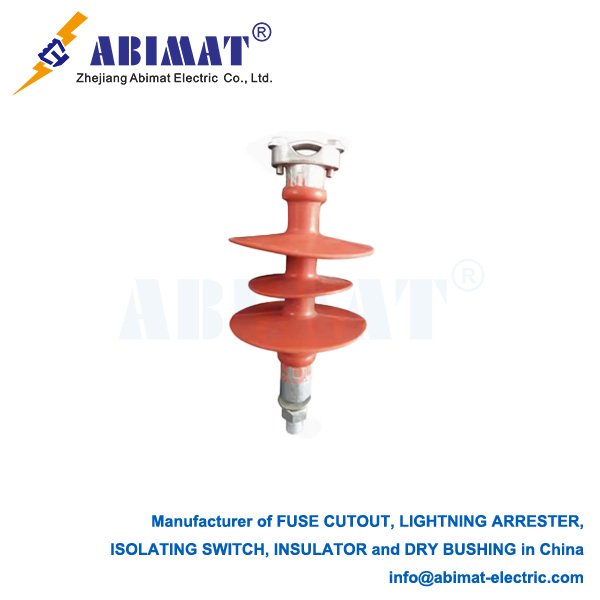
Pin Post Insulator: A Critical Component in Electrical Systems
The pin post insulator is a basic part of medium to high-voltage electrical power distribution and transmission systems. It mainly does two things: it holds up live electrical conductors mechanically, and it keeps them electrically separate from the structure that supports them. That structure is usually a utility pole or a steel tower. This two-in-one job is key to keeping the electrical grid safe, reliable, and working well.
Looking at its structure, a pin post insulator has a central insulating core. This core is usually made from a strong material—like porcelain, glass, or more often now, a composite polymer such as silicone rubber. The core gives the insulator its main ability to block electricity. On top of the core, there’s a metal part—people call it the “pin”—and this part is bolted to the cross-arm of the support structure. At the top of the insulator, there’s another metal cap or part. This one is used to hold the conductor securely.
People split pin post insulators into two main types based on their material.
The first type is ceramic—made of porcelain or glass. Traditional pin insulators use these materials. They’re strong and have been used for a long time. Their surfaces have sheds—also called skirts—to make the creepage distance longer. That’s the path along the surface where leakage electricity has to flow. This design helps stop flashovers, especially when the area is dirty or wet.
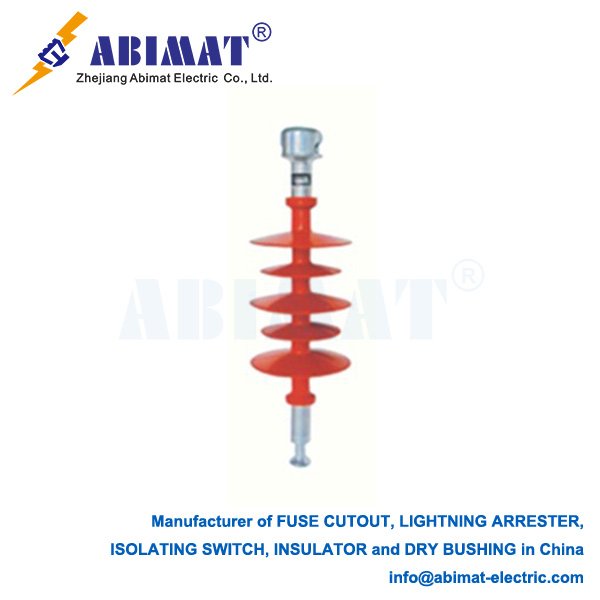
The second type is composite—made of polymer. Modern pin post insulators use composite designs more and more. They have a fiberglass epoxy resin rod (this rod gives them the strength to resist pulling) with sheds around it. These sheds are made from ethylene propylene diene monomer (EPDM) or silicone rubber. The polymer sheds are hydrophobic—that means they push water away. This stops a continuous water film from forming on the insulator. It also makes the insulator work better in dirty places and lowers the chance of flashovers. Composite insulators are also lighter than ceramic ones, and harder to damage on purpose.
The main good things about pin post insulators are their simple, strong design, how easy they are to install, and how well they work for their specific voltage range. That range is usually up to 69kV, and sometimes even higher. They’re a small, cheap solution for distribution lines, substations, and railway electrification systems.
When you compare pin post insulators to long-rod or cap-and-pin string insulators, the pin post design is different. It puts the insulation and the mounting parts into one stiff unit. This makes pin post insulators very stable. They’re good for uses where being stiff mechanically is very important.
To sum up, the abimat pin post insulator is an important, reliable part of electrical systems. As it’s changed from ceramic to advanced polymer designs, its performance has gotten even better. This makes sure electricity keeps being supplied safely and without stops.