

Understanding Fuse Blowout: Causes and Implications
A fuse blowout—sometimes called fuse operation or clearing in technical terms—is an important safety event in electrical circuits. It shows that a fuse has done its job well. It stops abnormal electrical current to protect the circuit. This stops expensive parts—like appliances, wires, or machines—from getting damaged. It also reduces the risk of fires.
A fuse is a simple but accurate device. It has a metal wire or strip that can carry a certain amount of electric current. This metal part is made to produce heat when electricity flows through it. This follows Joule’s law (I²R heating). During normal use, this heat spreads into the air around it. The metal part stays whole.
A fuse blows when the current is higher than its rated value for long enough. Two main problems cause this. Overload is one. The current is a little higher than the fuse can handle. It usually lasts for seconds or minutes. Short circuit is the other. The current jumps to a very high level—often thousands of times the normal amount. It happens in milliseconds. In both cases, the too-strong current quickly makes the metal part too hot. It gets hotter than its melting point. The metal part melts and turns into vapor. It leaves a gap in the circuit. This stops electricity from flowing completely.
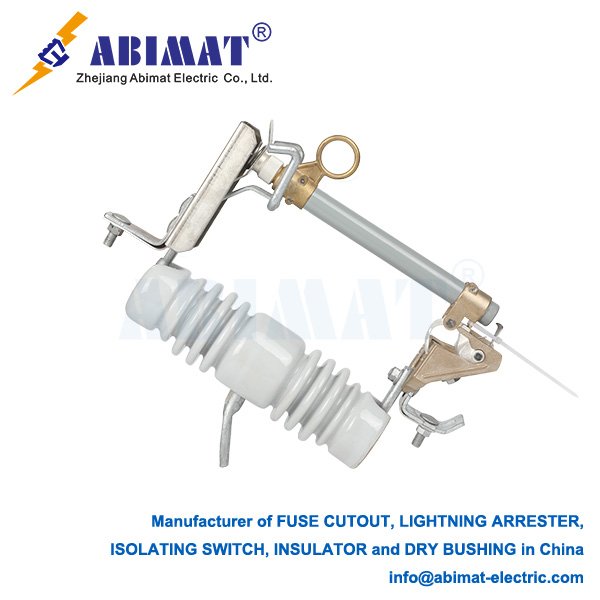
The word “blowout” fits well. It describes how a high-current problem is fixed in a forceful way. When the metal part turns to vapor, an electric arc appears across the gap. If we don’t put out this arc fast, it can keep the current flowing. It can also cause a lot of damage. Newer fuses have silica sand or other material that puts out arcs inside them. The arc’s high energy makes the sand melt. The sand soaks up the energy and quickly puts out the arc. The “pop” you see and hear is what happens when this controlled internal explosion takes place.
A key thing about a good fuse blowout is its ability to “limit current.” A fast-working fuse can fix a short-circuit problem in less than half a cycle of AC power. It greatly reduces the highest current the bad circuit ever has. This keeps equipment further along the circuit safe from strong electrical and mechanical pressure.
When a fuse blows, it can only do this once. It’s a final action. The fuse gets broken and needs to be changed. This is an important safety design. It makes sure the problem is fixed for good. It also stops people from temporarily resetting a dangerous situation.
An abimat fuse blowout is not a broken part. It’s a planned and important safety step. It’s the last, sacrificial job of a circuit protector. It makes sure a small electrical problem doesn’t turn into a big, destructive failure. Knowing why it happens and how it works is important. It helps design, maintain, and set safety rules for electrical systems correctly.