The Essential Role of Voltage Disconnect Switches in Electrical Systems
Why Voltage Disconnect Switches Matter in Electrical Systems
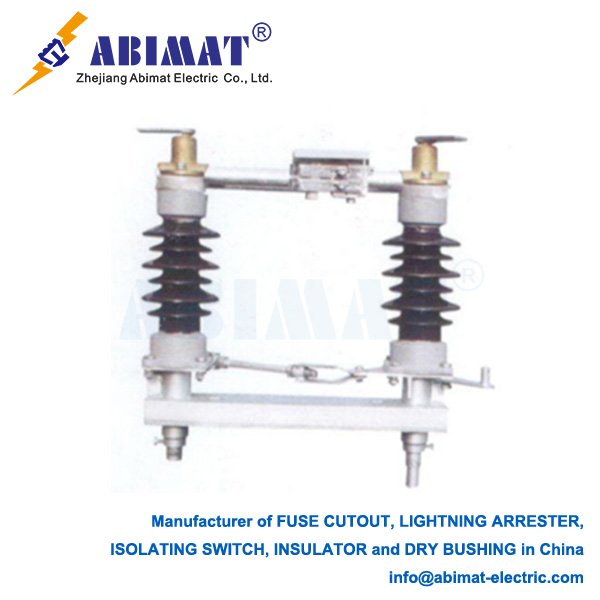
Voltage disconnect switches—often called isolators—are key parts of electrical power distribution and control systems. Their main job is to fully shut off a circuit’s power. This keeps workers safe when they do maintenance, repairs, or install new equipment. By creating a reliable, visible gap between the power source and downstream gear, these switches act as critical safety tools for both people and machines.
What They Do and How They Work
Disconnect switches aren’t meant to stop load currents. That’s a job for circuit breakers—they open under load and cut off fault currents. Disconnect switches, though, should only be used when the circuit is off or the current is very low. Using one under load can spark dangerous electric arcs. These arcs might damage equipment, start fires, or even cause explosions.
The switch’s mechanism physically separates electrical contacts. This creates a visible break in the circuit—an air gap. This gap provides strong electrical insulation. It lets workers confirm the isolated part of the circuit is truly powerless. That visual check is a vital safety step before any work begins.
Key Design Features and Types
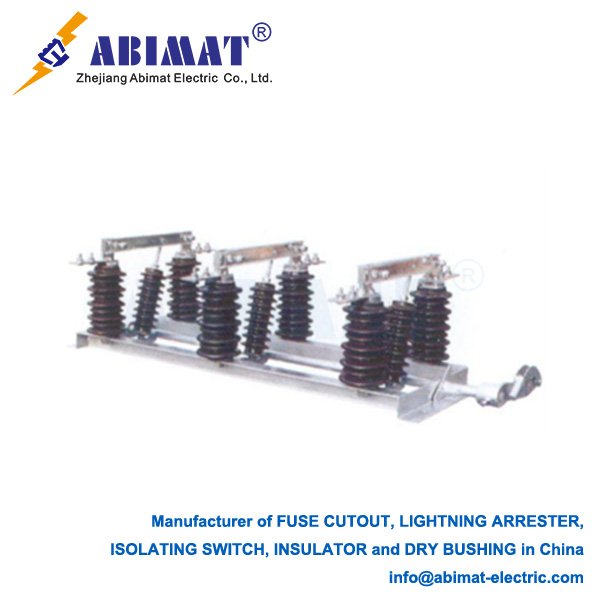
Disconnect switches have a few important design traits. They come in different pole configurations: single-pole, two-pole, and three-pole. These work for single-phase and three-phase AC systems. They also have specific voltage and current ratings. Some handle low voltage (up to 1000V), while others are for medium voltage (up to 38kV). They can carry a certain amount of continuous current too.
Construction varies too. Some are air-break switches—their contacts separate in open air. Others are enclosed safety switches, with the mechanism inside a tough case for extra protection. Mounting options differ as well. You can attach them to panels, enclosures, or use them outdoors on utility poles or in substations.
A common type is the load-break switch. It has arc-stopping technology. This lets it safely stop small load currents. It’s like a middle ground between a standard isolator and a full-capacity circuit breaker.
Safety and Interlocking
Safety matters most for disconnect switches. Many have strong interlocking features to prevent wrong use. For example, an interlock might keep a cabinet door closed while the switch is “ON.” Conversely, it might stop the switch from closing if the door is open. Lots of systems also have lockout/tagout (LOTO) features. Authorized workers can put a physical lock on the switch handle. This prevents accidental reconnection of power.
Wrapping Up
All in all, abimat voltage disconnect switches are a must for any electrical setup. Their simple but crucial job—creating a clear air gap to isolate circuits—protects maintenance workers from electrical hazards. It also keeps electrical equipment safe. Choosing the right switch, using it correctly, and following operational rules closely are all key. These steps make sure the switch can fully protect people and gear.