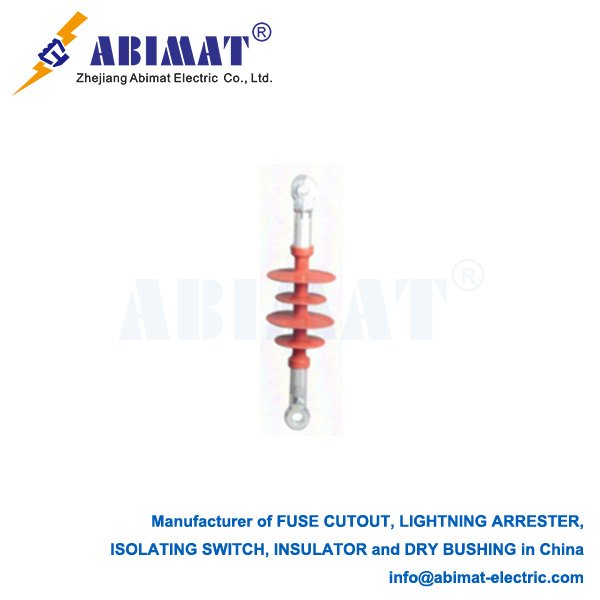
Polymer Station Post Insulators: A Modern Solution for Electrical Infrastructure
Polymer station post insulators are key parts in electrical substations. They support high-voltage conductors and keep them electrically separate. Unlike traditional porcelain or glass insulators, they use composite materials. Most have a fiberglass-reinforced epoxy resin core — a material that gives them great mechanical strength. A protective cover and sheds made of silicone rubber wrap around this core. These advanced materials let the insulators work better and more reliably.
What makes polymer station post insulators great? They are light but very strong. That’s their main advantage. Their core, often made of fiberglass-reinforced polyester or epoxy resin, is much stronger in tension than traditional porcelain. This strength means two things: workers can handle and install them easily, and the insulators can take heavy mechanical loads. They stand up to forces like the minimum design cantilever load (MDCL) and minimum design tensile load (MDTL), which are set in technical rules.
The silicone rubber sheds add another big plus — they repel water really well. This water resistance is vital. It stops a continuous layer of water from forming on the insulator’s surface. When the weather is wet, polluted or humid, the insulator works much better because of this. The risk of flashovers drops a lot, too. The sheds are usually made as one smooth, unbroken piece. This shape helps them shed water effectively, and rain even cleans them on its own.
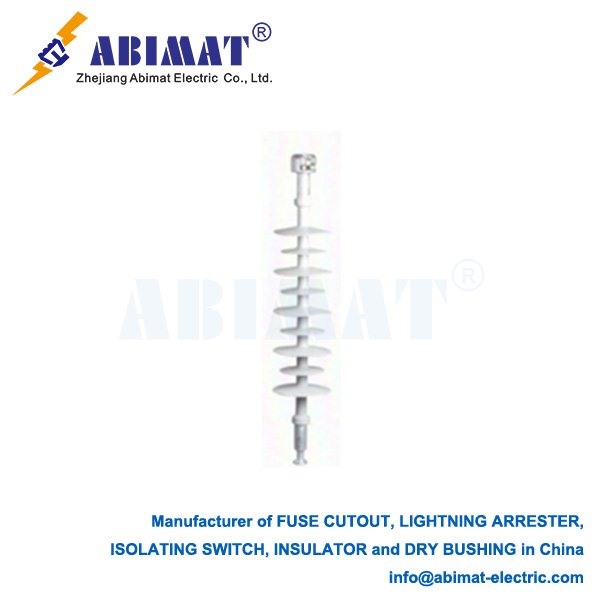
These insulators are built to meet strict international standards, such as ANSI C29.17. Their electrical performance depends on key factors: dry arcing distance and leakage distance. These two things directly affect how well the insulators resist flashovers when dry or wet. For high-voltage transmission use, their flashover voltage is usually rated in the hundreds of kilovolts. At high voltages, controlling electric field distribution is important. So many insulators work with corona rings — or have them built-in — to stop harmful corona discharges. The end parts are often made of strong, galvanized materials like aluminum alloy or ductile iron. They are sealed tight to keep moisture from getting into the core.
Polymer station post insulators are widely used for horizontal post setups in electrical transmission systems. Common voltages for these setups are 115kV and 230kV. Utility companies are using more of them to upgrade substation infrastructure. Why? They are reliable and easy to maintain. They are light, and they resist damage from vandalism. This upgrade work helps make the power grid stronger. It’s especially useful for important projects, like shifting power loads during peak times and keeping the power on reliably in winter.
All in all, abimat polymer station post insulators are a better, modern choice. They are light, strong, good at handling pollution and reliable over time. They make sure electrical substations stay safe and stable.