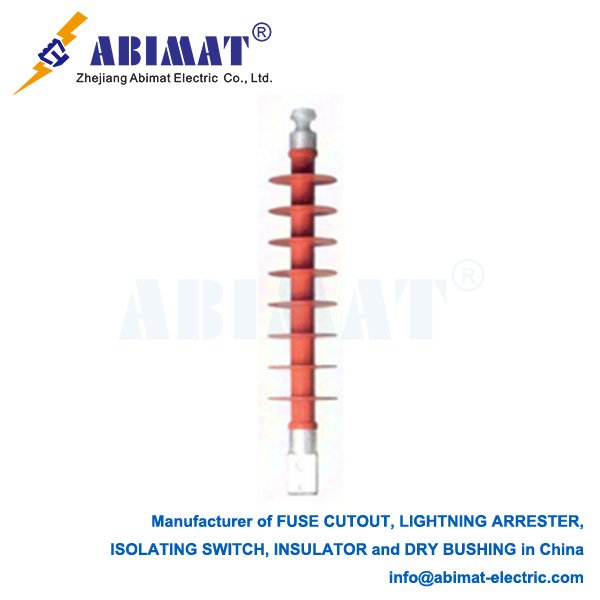
Porcelain Station Post Insulators: Key Parts for Electrical Substations
Porcelain station post insulators are key parts in electrical substations. They do two important jobs: they hold up live electrical conductors, and they keep high-voltage equipment insulated from grounded structures. These insulators are vital—they make sure power transmission and distribution systems stay safe, reliable, and work well.
These insulators are usually made of electrical-grade porcelain, a ceramic material known for strong mechanical strength, good resistance to rust, and stability in extreme temperatures. The material is mostly kaolinite clay, feldspar, quartz, and often industrial alumina. Workers process these materials at high temperatures to make a dense, nearly non-porous body. The surface is usually covered with glaze; this makes the insulating effect better and helps the insulator work well in damp or dirty conditions. This tough material means porcelain insulators last a long time, and they have a good record of handling electrical pressure.
A good station post insulator needs several key features: high electrical resistance, strong dielectric strength, good bending strength, and the ability to handle different environmental pressures. But they have some problems in use. One big issue is their surface—they don’t repel water well. Water can form a continuous conductive film on them, and this might lead to high leakage currents when it’s wet or dirty.
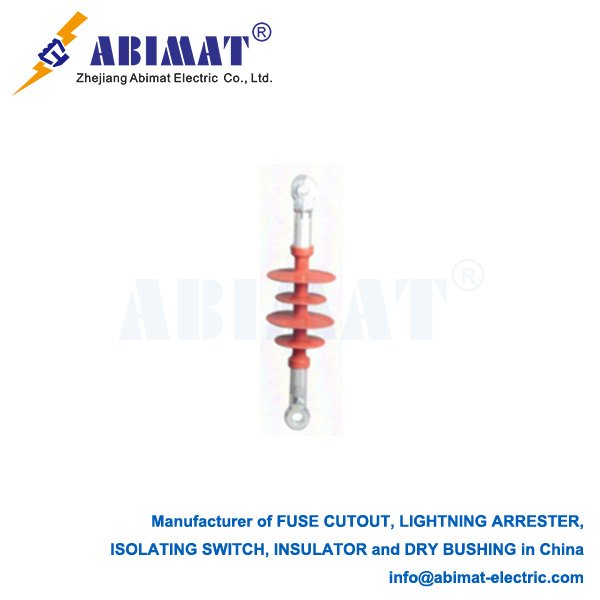
Worse, in heavy icing, the insulator’s sheds (the ridged parts) are easier to cover with connected ice than other insulator types. This can make their electrical performance drop a lot and raise the risk of flashover accidents. In places where earthquakes happen often, their ceramic nature also makes them easy to break. They need to pass specific seismic tests, like those in the IEEE 693 standard.
A porcelain insulator’s mechanical strength relies a lot on its internal structure and any small flaws it has. Recent studies aim to make these insulators work better by improving their structure. For example, experts use finite element modeling (FEM) to test how stress spreads under extreme loads, like earthquakes. Changing design details—such as certain angles and sizes—has been shown to cut main stress by over 47%. This makes the insulator stronger and safer to use.
Abimat polymer insulators have become an option, but porcelain station post insulators are still a basic part of the electrical grid. They’re trusted for their durability and mechanical strength. Scientists keep researching and improving these insulators—working on their internal structure and better designs. This helps them meet the growing needs of modern, high-capacity power systems.