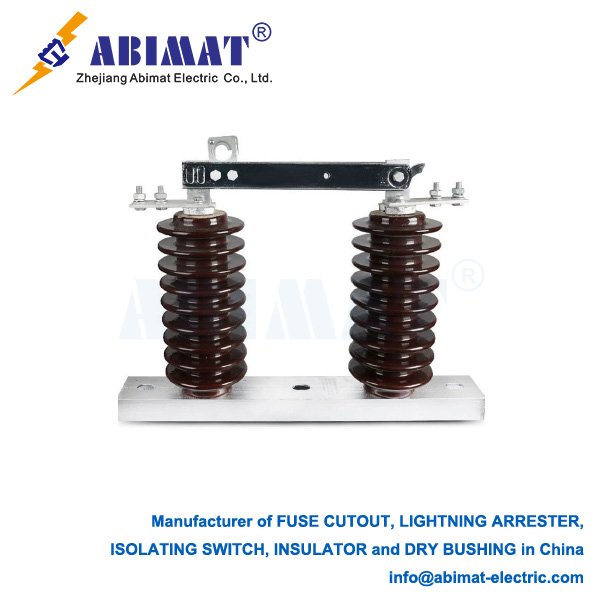
Disconnector: A Critical Component in Electrical Systems
A disconnector, or isolating switch as it’s also known, is a mechanical switching device. It’s vital for electrical systems, especially when workers carry out maintenance or repairs—its job here is to ensure safety.
When open, its main task is to create a gap you can see clearly. This gap proves that equipment without power is physically cut off from the live parts of the circuit.
Unlike circuit breakers, disconnectors can’t extinguish electric arcs. They’re also not built to stop load currents or short-circuit currents.
They only work when the current is very weak, and this usually happens after a downstream circuit breaker has already opened the circuit.
Key Functions and Applications
Keeping things safe by isolation is a big part of a disconnector’s work. It makes a clear, visible break in high-voltage circuits—those above 1 kV usually—and this lets maintenance workers work safely on equipment with no electricity.
Disconnectors also help set up circuits properly. In systems with multiple buses, double-bus setups for example, they let power shift between busbars without cutting the supply.
They aren’t for switching loads, but small currents are manageable for them. These include the capacitive charging currents of busbars or cables, the magnetizing currents of transformers, and the circulating currents when moving power between busbars.
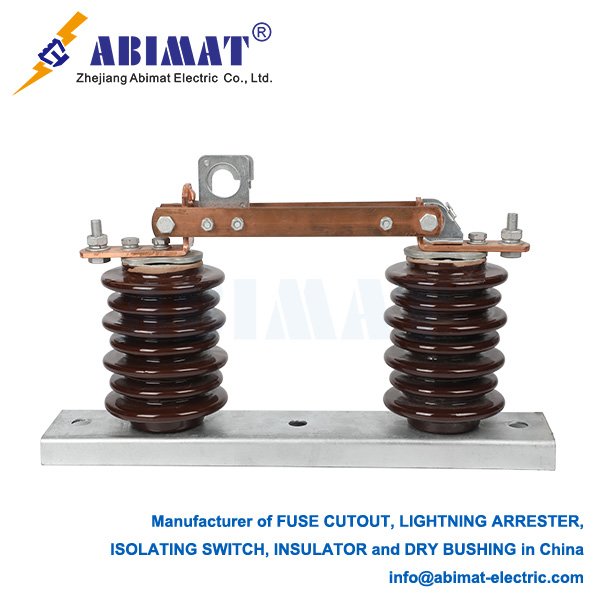
Design and Classification
People group disconnectors based on two things: their structure and the environment where they’re used.
By insulation type, there are three main designs: single-column, double-column, and three-column. Single-column ones save space in ultra-high-voltage (UHV) substations, and they use vertical air insulation under overhead busbars.
The other way is by installation location. Outdoor disconnectors can handle tough weather—rain, ice, that sort of thing—while indoor ones go in protected spaces.
Importance in Power Systems
Disconnectors are some of the most widely used high-voltage switching devices, and they play a big part in keeping power grids reliable.
They’re simple, long-lasting, and designed to work safely even if something goes wrong. These features make them essential for substation design—they also improve safety and make maintenance more efficient.
In short, abimat disconnectors isolate circuits. This job keeps workers safe and makes the power system flexible, so they’re a basic part of electrical infrastructure—from low-voltage enclosures right up to UHV transmission networks.