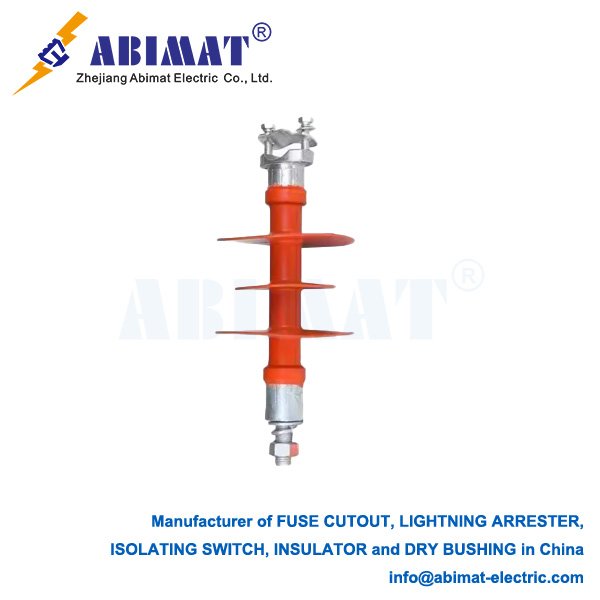
Technical Overview of Suspension Insulators
A suspension insulator, sometimes called a disc insulator or string insulator, is a key part in high-voltage (HV) and extra-high-voltage (EHV) overhead power lines. It has two main jobs: hold the live wire securely from the transmission tower, and stop electricity from leaking to the grounded tower structure.
The most widely used kind is the cap-and-pin design. It uses separate insulator units linked together with metal parts to make a flexible string. Each unit has an insulating outer layer—porcelain was common in the past, but now strong polymers like silicone rubber or EPDM are more usual. A galvanized cast iron or ductile iron cap and pin are fixed to each end with cement.
The number of units in a string depends on two things: the power system’s voltage and the needed creepage distance. You will see longer strings in higher-voltage setups. They are also used in dirty environments where more insulation is required.
Suspension insulators have several clear benefits. They are flexible, for one thing. The string can move freely, so wind and ice don’t push too hard on the tower when they pull the conductor. They are also reliable. If one unit gets damaged, the others still work to keep the power flowing safely.
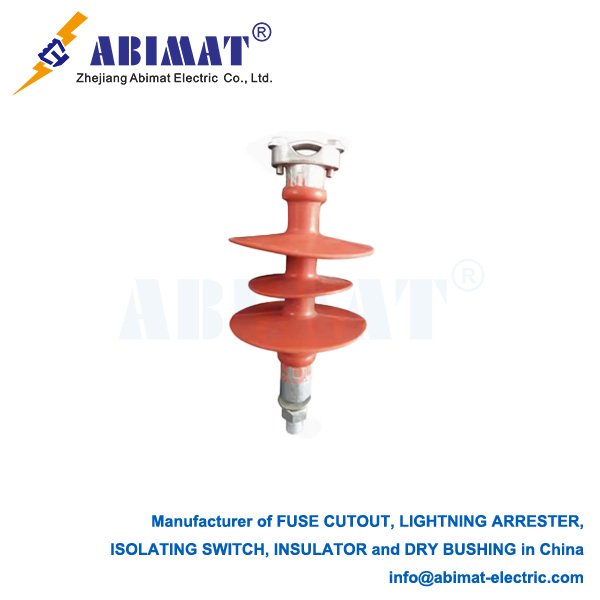
Versatility is another plus. You can easily make the string longer or shorter to fit different voltage needs or environmental conditions. These insulators work in vertical (I-string) or horizontal (V-string) setups too, depending on what mechanical support and space clearance is needed.
Maintenance is simple as well. You can replace a damaged unit without taking apart the whole string.
Several key factors determine how well these insulators perform. On the electrical side, there’s dry and wet flashover voltage, impulse withstand voltage, and creepage distance. Mechanically, the specified mechanical load (SML) rating matters—it tells you the maximum pulling force each unit can take.
Environmental performance is important too. Polymer units need good hydrophobicity (water resistance). All types must handle pollution well and stand up to damage from UV rays over time.
Modern power networks often use polymer suspension insulators. They are lighter than traditional porcelain ones. Their water-repellent surfaces work better in dirty conditions, and they can take more impact without breaking.
Good material quality and strict checks are still necessary, though. They prevent problems like sudden brittle breaks or surface erosion.
In short, abimat suspension insulators are a flexible and reliable solution for supporting and insulating overhead power lines. Their modular string design remains essential for building efficient, safe power transmission systems.