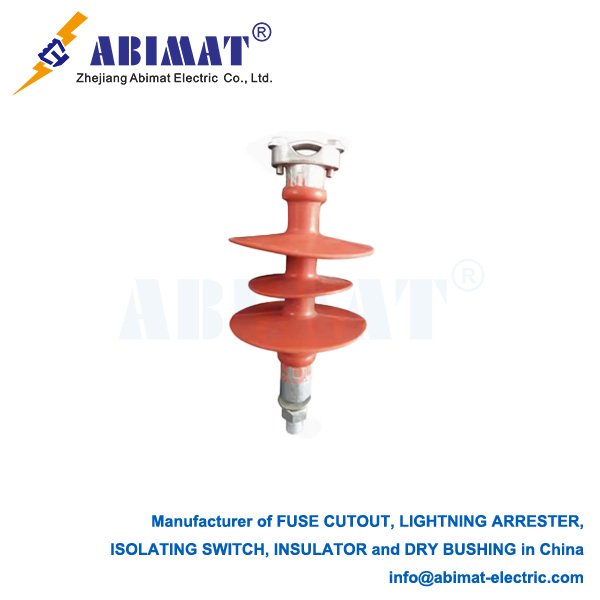
Post Insulators in Electrical Substations
Post insulators are key parts in electrical substations. They do two important jobs: holding equipment up and keeping electricity from leaking. You’ll usually see them supporting busbars, disconnect switches and other live devices. They make sure there’s a safe gap between parts with electricity and parts that touch the ground.
These insulators are made from strong materials that stop electricity well. The two most common kinds are ceramic (porcelain) and composite (polymer) ones. Porcelain insulators use materials like alumina or silica. They last a long time, can handle heavy pressure and stay reliable no matter the weather.
Composite insulators are a bit different. They have a fiberglass rod inside and silicone rubber “sheds” on the outside. They’re lighter than porcelain versions. They also repel water well—this stops problems when dirt builds up. And they’re harder to break if someone damages them on purpose.
International rules, like those from IEC and IEEE, tell you how to design and pick these insulators. Some key things to look at include rated voltage. This number decides how long the surface path of the insulator needs to be. A proper path stops electricity from jumping across, especially when it’s dirty or damp outside.
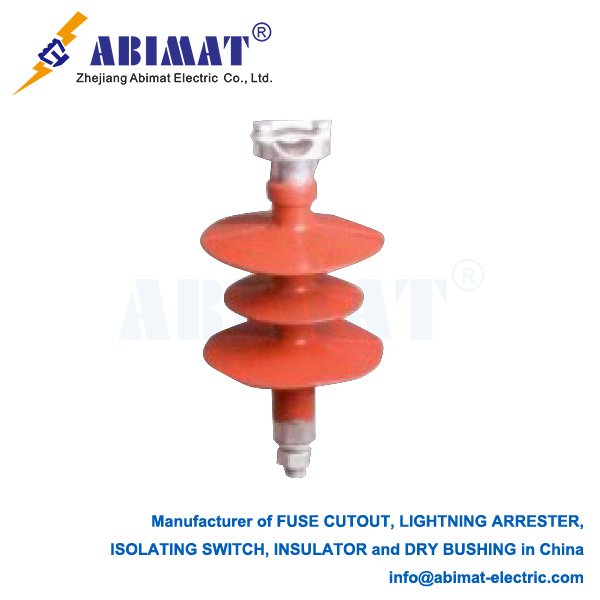
Mechanical strength matters too. This is measured by how much weight or force the insulator can take—from wires, wind or ice. The shape of the insulator, especially its sheds, is also planned carefully. These shapes work best for certain environments, and they help the insulator clean itself when it rains.
You need to check these insulators regularly to keep them working. Take a close look for cracks, chips or dirt buildup. You should also check the metal parts for rust. If dirt piles up too much or the insulator gets broken, it might not stop electricity properly. This can lead to sparks, which can break equipment and cut power.
Abimat post insulators are really important for substations. They keep the power system safe, reliable and running smoothly. To keep the electrical grid working well, you need to pick the right material for the insulator. You also need to design it for the conditions it will face. And don’t forget regular checks.