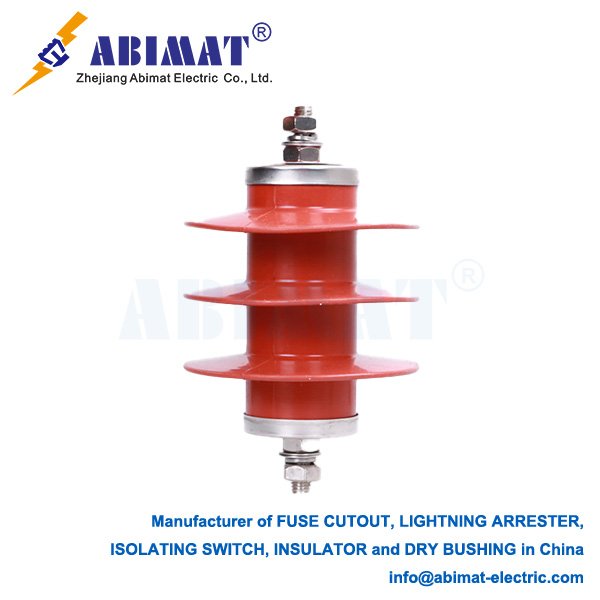
Surge Arresters and Lightning Arresters: Main Differences and Uses
In electrical power systems, surge arresters and lightning arresters both work hard to protect equipment from too much voltage. People sometimes mix up these two terms, but they deal with similar problems that are actually different.
A lightning arrester has one main job: it guards against the huge, direct bursts of electricity caused when lightning hits the system. This could happen to power lines or tall poles, for example. The device’s key task is to send that massive lightning energy safely into the ground. Doing this stops dangerous electrical flashes and physical harm to the equipment. Older lightning arresters often use a set of spark gaps to get the job done.
A surge arrester is a more advanced device, and it covers a wider range of protection needs. Its basic job is to control sudden voltage spikes from any source. These spikes might come from lightning, from switching equipment on and off, or from system faults. It also acts fast to get the system back to normal. Most modern surge arresters don’t use gaps—they rely on zinc oxide, also called metal oxide varistor (MOV) technology.
These special resistors act in a nonlinear way. At normal voltage levels, they have high resistance. When a voltage spike hits, they immediately switch to very low resistance to hold that extra voltage in check. Once the spike is gone, they quickly go back to their high-resistance state.
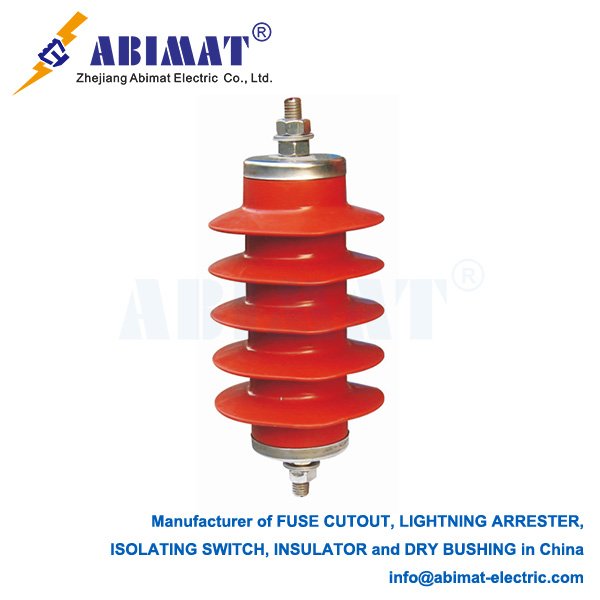
The two devices have some clear differences.
First, their range of use varies. A lightning arrester is a specific type of protector, focused almost entirely on lightning. A surge arrester, by contrast, handles all kinds of sudden voltage spikes.
Their technology differs too. Older lightning arresters usually use spark gaps. Modern surge arresters, though, mostly use the gapless MOV design.
They also respond differently and go in different places. Surge arresters react to faster voltage spikes. They get installed in key spots—like near transformers, substations, or where power enters a building—to shield specific equipment. Lightning arresters, on the other hand, are usually placed around the edges of the system. You might find them on power poles or towers, acting as the first line of defense against lightning from the sky.
Their ability to handle energy is another key difference. Lightning arresters are built to handle the extremely high energy from a direct lightning strike. Surge arresters, meanwhile, often deal with smaller energy spikes—these spikes happen more often and move through the power system.
Today, abimat metal oxide surge arresters (MOSA) have mostly taken the place of the older gap-style devices for most uses. They offer better protection against both lightning and voltage spikes from switching. So here’s the takeaway: a dedicated lightning arrester protects against lightning strikes, but a full protection plan uses surge arresters all through the system. This stops every kind of sudden voltage spike, keeping the electrical infrastructure reliable and long-lasting.