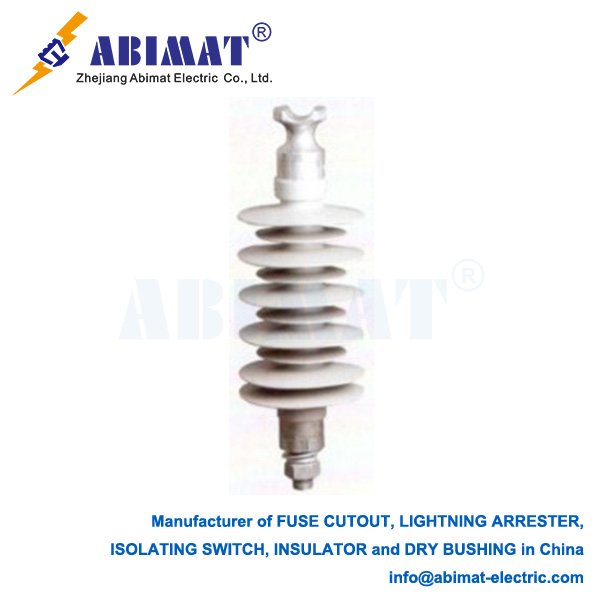
Suspension Insulators: Key Parts for Overhead Power Lines
Suspension insulators are widely used in high-voltage overhead power lines—both the ones that send power long distances and the ones that deliver it locally. They have two main jobs. They keep the live wires electrically separate from the towers, poles and other support structures that touch the ground. They also hold those wires firmly in place.
The best thing about suspension insulators is how they’re made: they come in separate units, called “discs,” that you can link together like a string. This string is flexible. You can add or remove discs easily. That lets you adjust two important things. The length of the string changes how well it insulates and how strong it is. You can tweak it to match the power line’s voltage and the physical forces it faces—like the weight of the wire, wind and ice.
This modular design also makes the insulators more reliable. If one disc gets damaged, the others still work. That stops the whole power line from breaking down.
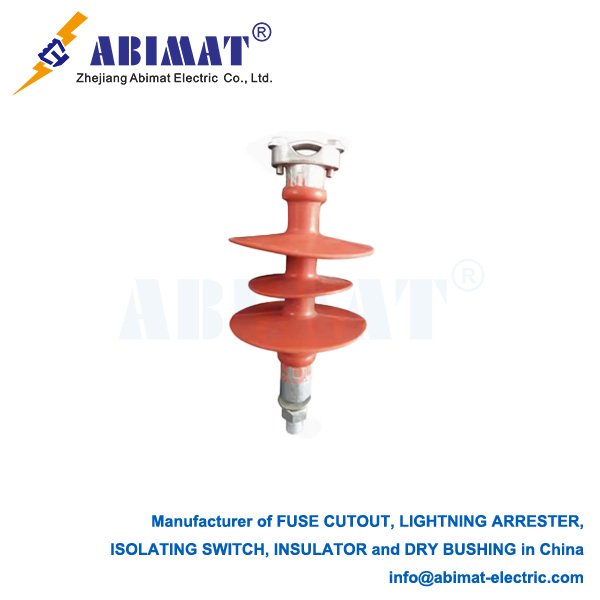
These insulators are usually made from strong materials. Porcelain and glass are common choices. But these days, polymer composites—think silicone rubber—are used most often. Polymer insulators repel water really well. That helps them work better when they’re dirty or wet, because it stops a continuous layer of water from forming on their surface.
Here’s how they’re used. The string of insulators hangs straight down from the cross-arm of the tower. The power wire is attached to the bottom of the string. This setup lets the wire move a little—within safe bounds, of course. It handles physical stress and the way wires stretch when they get hot.
Suspension insulator strings have another use too. They can anchor power lines at the ends or around sharp bends. In these “dead-end” setups, they take on the strong pulling force along the line.
To sum up, Abimat suspension insulators are essential for modern high-voltage overhead power networks. They let these networks work safely, reliably and flexibly. And they do a great job of balancing two crucial jobs: insulating electrically and handling tough physical demands.