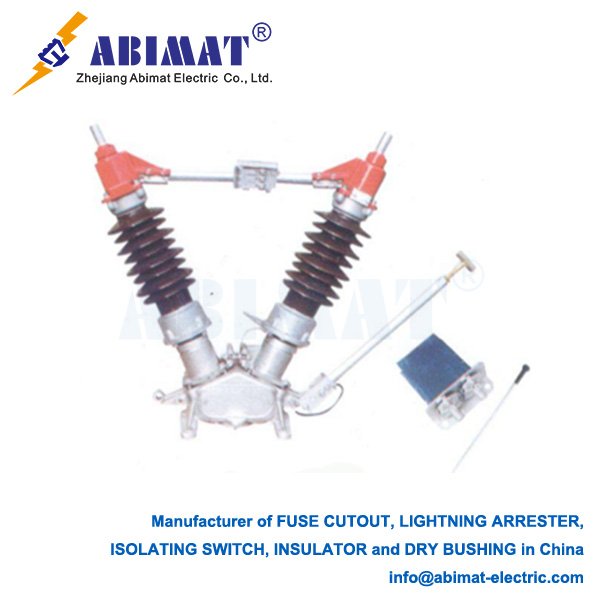
Technical Overview of the Off-Load Disconnector
A 138 kV disconnect switch—people also call it an isolator—is a basic mechanical switching tool. It works in high-voltage electrical substations and transmission lines. Its main job, and a very important one, is to create a clear, trustworthy air gap. This gap isolates a part of the circuit. It keeps workers safe when they do maintenance or checks by cutting power to the equipment.
You need to know one key thing: a regular disconnect switch isn’t made to stop load current or fault current. That’s what a circuit breaker does. The switch should only be used when the circuit has no power—either because an upstream breaker turned it off, or because the current is so small it barely matters.
These switches are built for the 138 kV voltage level. This level is widely used in many power grids. When designers make them, they focus on several important points. The switches must handle normal power frequency and impulse voltages. They also need to stand up to mechanical stress—from wind, ice, and even the electromagnetic forces that sometimes come with fault currents.
The main parts that carry electricity are usually made of aluminum or copper alloys. For insulation, they use porcelain or composite polymer insulators.
At this voltage level, three types of switches are most common.
First is the horizontal (side-break) switch. Its moving blade spins in a horizontal direction.
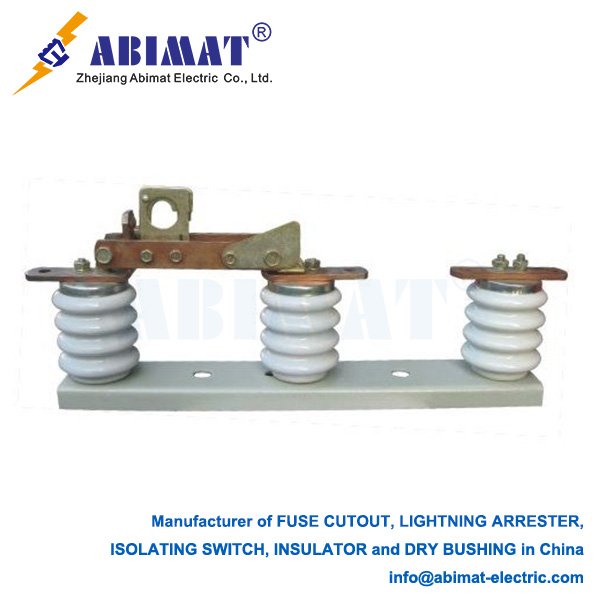
Then there’s the vertical-break switch. Its moving blade turns up and down, and it often takes up less space.
The third is the center-break switch. It has two sets of rotating insulators, and the gap opens right in the middle.
Most of the time, you operate these switches by hand with a hand-wheel. Some use a motorized part so you can control them from far away. One design feature is crucial: the “arcing horn” contacts. If a small, unexpected spark happens while you’re using the switch, these contacts pull the spark away from the main current-carrying parts. This stops damage.
Sometimes you need a switch that can stop small amounts of current—like the magnetizing current in a transformer. For these cases, you can use a load-break disconnect switch. It has a simple part that stops the current.
But for regular isolation jobs, the common air-break disconnect switch is still a must. It’s simple and strong. You can clearly see if it’s open or closed, and it’s reliable. These qualities are vital for keeping 138 kV transmission systems safe and flexible.