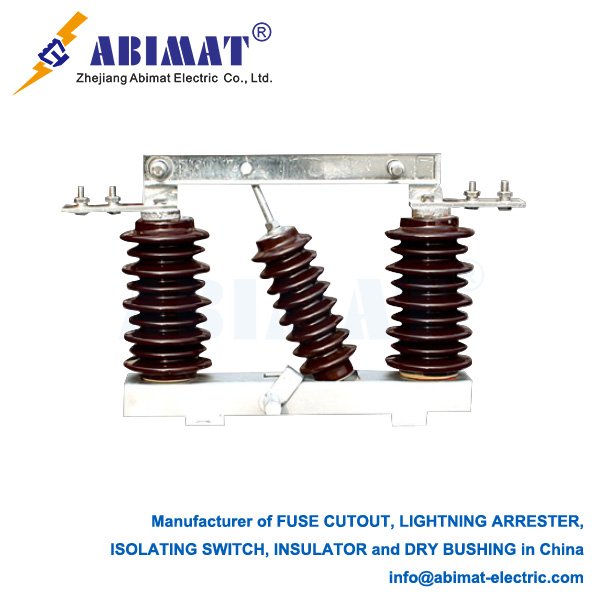
69 kV Disconnect Switch: An Overview (Rewritten)
A 69 kV disconnect switch—also called an isolator—is a key part in high-voltage electricity transmission and distribution systems. Its main job is to create a safe, visible gap of air. This gap isolates a part of the circuit for maintenance or repair work. It makes sure the part is fully cut off from live electrical components. The switch works at 69,000 volts. This voltage level is standard for sub-transmission and primary distribution networks.
Disconnect switches differ from circuit breakers. They are not made to stop load current or fault current. You can only operate them when the circuit is turned off. An upstream protective device, like a circuit breaker, does this de-energizing. The switch’s main operational rule is simple: it must safely connect or disconnect only two types of small currents. These are the magnetizing current and capacitive charging current. They come from the unloaded part of the system.
Most 69 kV disconnect switches have a vertical-break, air-insulated design. They have a rotating insulator post. A moving blade is attached to this post. The blade connects to or separates from a fixed jaw contact. This jaw contact is mounted on a stationary insulator. This movement creates a clear, visible break in the circuit. That break is a very important safety feature. The switches have a rating for continuous current. Common ratings are between 600A and 2000A. They also must handle specific basic impulse levels (BIL)—350 kV, for example—from lightning surges.
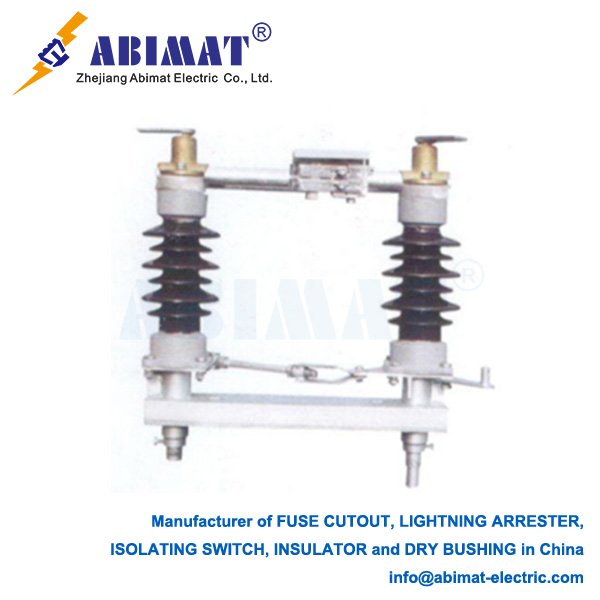
The switch is built to be strong. It uses materials like galvanized steel for the frame. Aluminum or copper makes up the parts that carry current. Insulators are made of high-strength porcelain or polymer. You can operate the switch manually, usually with a removable crank handle. Some switches are motorized for remote operation. A key accessory is the grounding blade. It can be part of the switch or a separate piece. You attach it to the isolated circuit section to ground it safely before starting work.
Choosing and using the switch depends on several factors. These include ratings for continuous and short-circuit current, BIL, mechanical durability (often 10,000 operations), and environmental conditions like ice, wind, and corrosion. Proper installation is vital. You must also follow strict safety steps—make sure the circuit is off before operating the switch. The 69 kV disconnect switch stays an essential, reliable device. It ensures flexibility in the system and safety for workers in electrical networks.