A Categorical Overview of Electrical Disconnectors
Air-Insulated Disconnectors
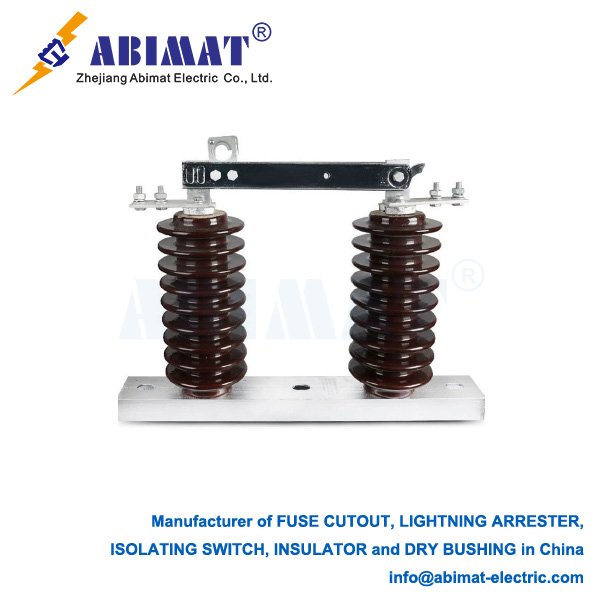
Air-insulated disconnectors are the most common kind. They use the air around them as the main material for insulation, and this air helps create the space needed between contacts. We mostly use them in Air-Insulated Substations (AIS). To work, they move a contact through the air to make a visible break—and that break is a key safety feature. We can split these disconnectors further by how their blades move. For example, some have center-break, vertical-break, or pantograph designs. We pick these sub-types based on different structural needs and how much space we have. Their main good points are that they’re simple, cheap for lower voltages, and they give a clear visible gap. But they need a lot of space to keep the insulation distance right. Also, things like environmental pollution, moisture, and altitude can affect how well they work.
Gas-Insulated Disconnectors
Vacuum Insulated Disconnectors / Load Break Switches
Conclusion