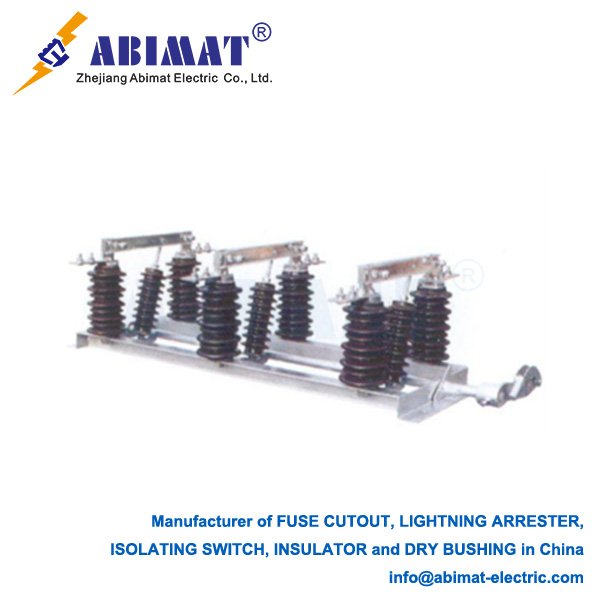
High-Voltage Disconnector: The Guardian of Electrical Isolation
The high-voltage disconnector, often called an isolating switch, is a key part in electrical substations and power transmission systems. Its main job is to create a visible, safe air gap in a circuit. This gap makes sure maintenance workers stay safe and equipment is protected by keeping the electrical supply completely separated. It differs from a circuit breaker in one big way—it has no way to stop electric arcs. That means it can’t cut off load currents or fault currents. You can only operate it once an upstream circuit breaker has turned off the power to the circuit.
Isolation is what a disconnector does best. When you open it, it makes a clear, easy-to-see break in the circuit. This break ensures one part of the system is cut off from live electrical parts—both physically and electrically. This step is non-negotiable for safe maintenance work. Disconnectors have another use too: they help change how a circuit is set up. For example, they can move electrical loads between different busbars in a substation.
Main Types and Structural Designs
People group disconnectors by their insulation pillar structure. Each type works best for specific voltage levels and space limits.
Type | Description | Key Feature / Application |
|---|---|---|
Single-Column Disconnector | It uses vertical space for insulation. Its moving contact opens straight up and down. | It saves a lot of space in substations. It works really well for ultra-high voltage (UHV) systems. |
Double-Column Disconnector | It has two insulation pillars. The contacts open sideways, moving like a pair of scissors. | It’s a common, strong design. It fits most high-voltage uses. |
Three-Column Disconnector | It has three insulation pillars. The middle one spins to open the contacts. | It provides steady isolation. It’s good for circuits that need more complex switching setups. |
You can also categorize disconnectors by where they’re installed—outdoor or indoor—and how they’re operated, whether by hand or with a motor. Outdoor disconnectors are built tough. They can handle bad weather like rain, ice, and dirt buildup.
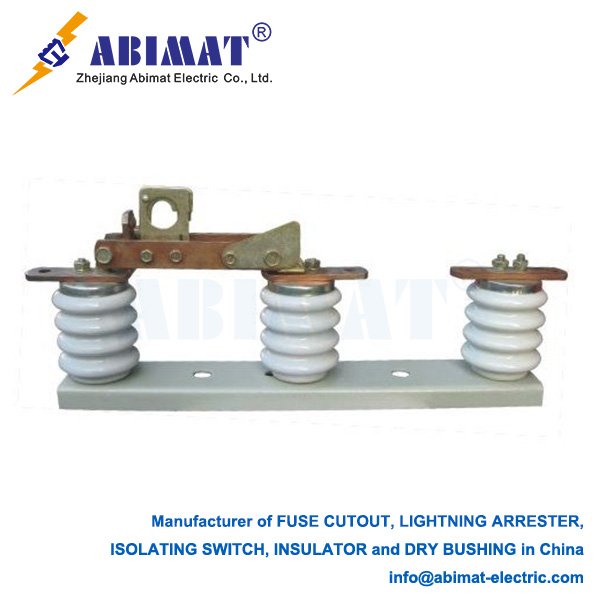
Operational and Safety Rules
Following strict operation steps and safety locks is extremely important. You must never operate a disconnector until the related circuit breaker has opened the circuit. Here’s the standard order: when turning on power to a line, close the disconnector first, then the circuit breaker. When turning off power, open the circuit breaker first, then the disconnector.
Modern systems use mechanical or electrical locks. These locks stop dangerous mistakes—like trying to open a disconnector when it’s carrying an electrical load.
To sum up, the high-voltage disconnector is a critical safety tool in power networks. Its job is simple but essential: it provides reliable isolation. This function is the base for safe operation, maintenance, and flexibility in electrical systems.