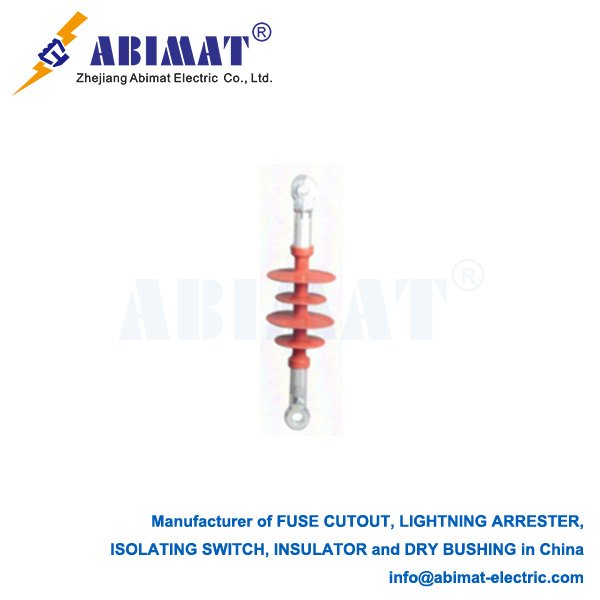
Insulator Station Posts: Essential Components for Electrical Substations
Insulator station posts are key, hard insulating parts. They are used in electrical substations and power switching stations.
They have two main jobs: supporting high-voltage equipment and keeping it electrically isolated. Circuit breakers, disconnect switches and busbars all rely on them.
They are different from flexible line insulators. Station posts can handle heavy mechanical loads—like the weight of equipment, strong winds and even ice buildup. At the same time, they keep good electrical insulation to stop flashovers.
A typical station post insulator is a single unit. It has a core made of strong alumina porcelain or a fiberglass-reinforced polymer (FRP) rod. This core gives the insulator its main strength.
The core is firmly attached to an outer cover. This cover is made of ceramic or polymer sheds. These sheds are very important in design.
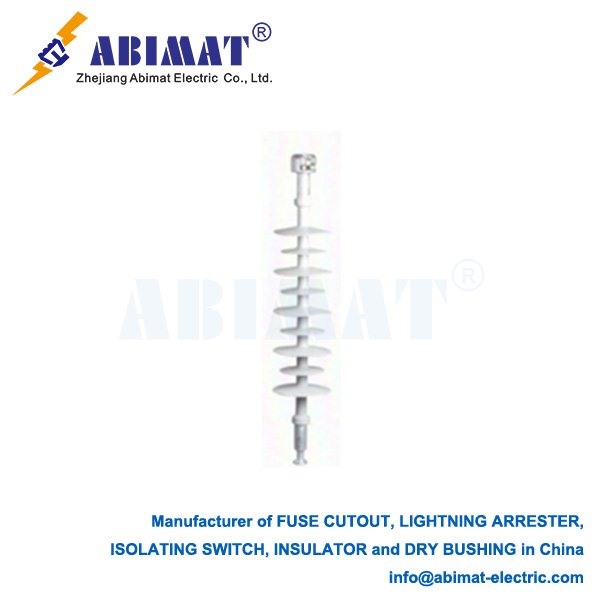
Their alternating ribs and grooves create a long “creepage distance.” This long path along the insulator’s surface stops a conductive layer from forming. Moisture, dust or salt can cause such layers, which might lead to surface flashovers—especially in dirty places.
Two main materials are used: porcelain and composite. Traditional porcelain station posts have great compressive strength. They last a long time and don’t break down easily under UV light. They usually have a glaze that helps wash away dirt.
Modern composite station posts use an FRP core with silicone rubber sheds. They are lighter and harder to damage. Silicone rubber is hydrophobic, so they work better in dirty conditions. This means water forms beads on the surface, instead of a continuous conductive film.
Key factors decide which station post to use and how well it works. Rated voltage sets the required length and number of sheds. Cantilever strength tells the maximum horizontal load the top of the post can take.
Creepage distance must match the site’s pollution level. International standards, like IEC 60815, define these levels clearly.
In short, abimat insulator station posts are vital for safe substation operation. They combine strong electrical performance with great mechanical strength. This keeps critical power equipment supported and isolated. Now, more posts use composite materials instead of porcelain. This makes them work better, even in tough environments.