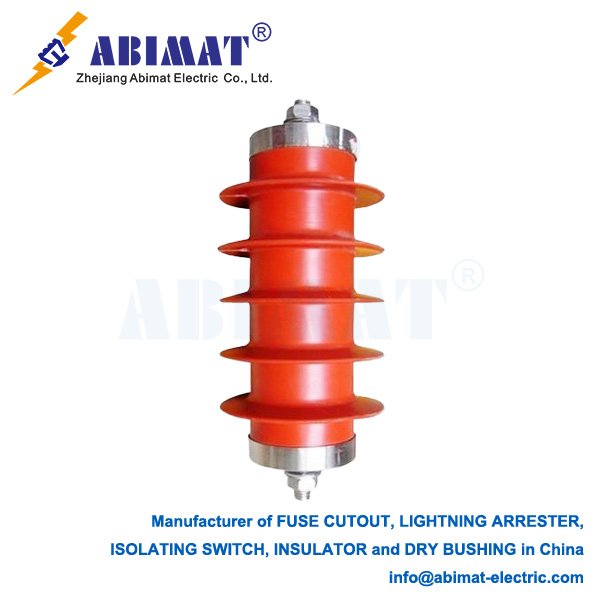
Pin Type Insulator for 11kV Distribution Lines
The pin type insulator is a basic part—you’ll find it in medium-voltage power distribution networks. It’s mainly used to hold up live conductors and keep those conductors insulated from grounded structures. For 11kV systems, it’s a standard, cheap, and reliable solution.
Design and Construction
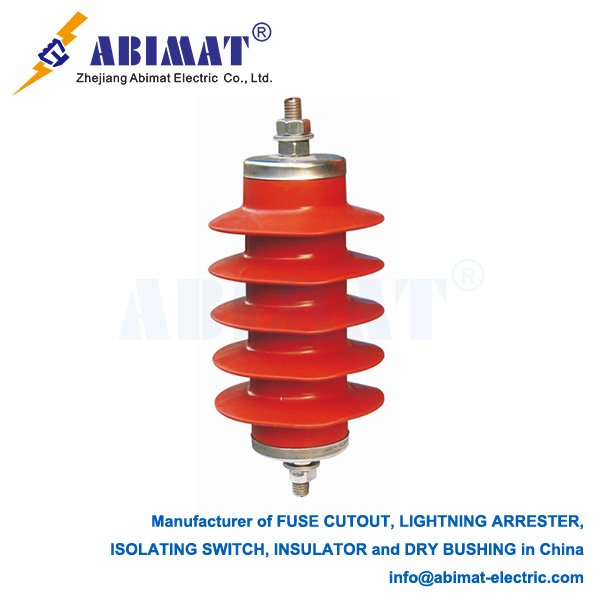
People usually make this insulator from good-quality porcelain or polymer (like silicone rubber). It’s a one-piece insulating body with a strong design. There’s a hole at the bottom of the insulator. This hole is for a supporting steel pin, and the pin gets bolted to the pole’s cross-arm. The top part has a groove (some call it a tie channel). You fasten the conductor tight in this groove with annealed copper or aluminum wire. The outside of the insulator has rain sheds—people also call these “petticoats.” These sheds do an important job: they make the leakage path longer. This stops a continuous conductive film (from moisture, dust, or other dirt) from forming, and that lowers the chance of flashover.
Key Features and Advantages
For 11kV uses, the pin insulator has a specific creepage distance and puncture strength. This lets it handle the system’s normal working voltage and sudden overvoltages. Its main good points include mechanical strength—enough to hold the conductor up against mechanical forces like wind or ice. It also has a good ability to block electricity and lasts a long time. Porcelain insulators are known for their high compressive strength. Polymer ones, though, are more water-repellent and lighter.
Application and Limitations
This insulator is mostly used on straight parts of 11kV overhead distribution lines. It’s also used on poles that support distribution transformers. A big limitation is this: it doesn’t work in places where the line has sharp curves or angles. It can’t handle big mechanical stress coming from different directions. For those spots, people use strain insulators instead.
In summary, the abimat 11kV pin type insulator is still an important part of distribution systems. It balances performance, durability, and cost well for what it’s meant to do. Its design is simple but works well—this keeps live medium-voltage conductors safely insulated from the ground.