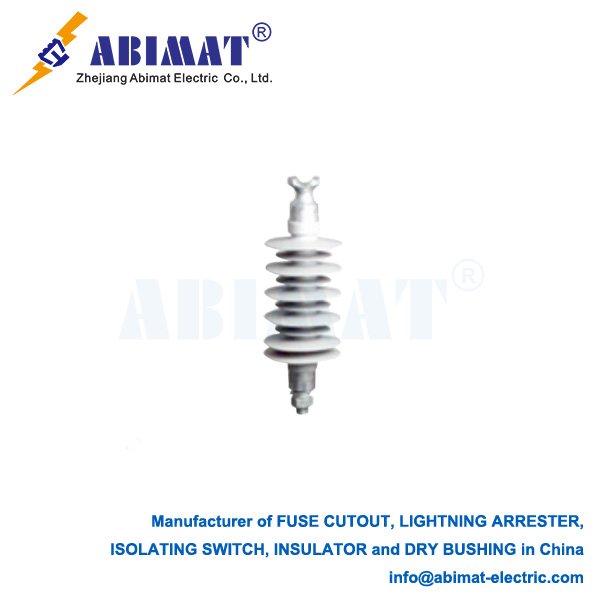
Polymer-Housed Surge Arresters: Enhancing Grid Reliability and Safety
Polymer-housed surge arresters—people often call them polymeric or composite arresters—are key parts for protecting power systems from too much voltage. They have mostly taken the place of traditional porcelain-housed arresters, because they work better, are safer and more dependable.
Design and Construction
A polymer arrester has a core made of zinc oxide (ZnO) resistor discs—these are also called varistors. A protective cover made of polymer material, like silicone rubber, wraps around this core. The ZnO discs have a special voltage-current feature. They act as insulators when the power system has normal voltage, but turn into conductors when there’s too much voltage. The polymer housing is more than just a case. It’s built with parts like sheds to handle dirty conditions better, and it’s filled with sealant to stop water getting in.
Operational Principle
When the power system works normally, the ZnO discs have very high resistance. Only a tiny bit of leakage current flows through them. But if a sudden voltage spike hits—like from a lightning strike or when switching equipment—the ZnO discs’ resistance drops really fast. This creates an easy path for the big surge current to go to the ground, so the current doesn’t reach expensive equipment like transformers. Once the spike is gone, the arrester quickly goes back to its high-resistance state, and the circuit works normally again.
Key Advantages over Porcelain
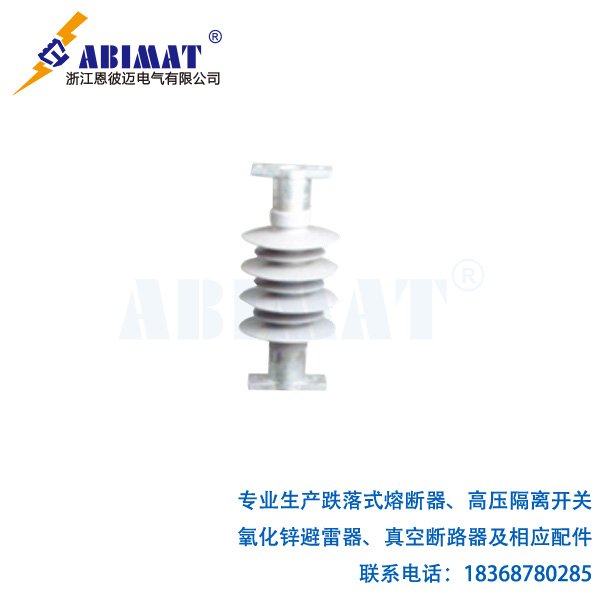
Polymer housings don’t break into sharp pieces. If something goes wrong inside—though this is rare—the housing will crack gently. This means no dangerous explosions, which can happen with porcelain arresters. These arresters are also much lighter. That makes them easier to install, and you don’t need such strong supports for them. They’re tough too, so they can handle knocks and damage during moving better. The silicone rubber sheds repel water. This stops a continuous layer of water from forming on them, which would let current leak. It also lowers the risk of flashover in dirty places—this is a common problem with porcelain arresters. They use good sealing methods too. Often, the whole core is wrapped up tight. This keeps water out really well, and water getting in is a main reason arresters fail over time.
Application Context
Polymer-housed arresters are everywhere in power grids. You can find them in small distribution systems and huge ultra-high-voltage transmission systems alike. Workers put them in key spots—on utility poles, in substations, at line ends. They protect sensitive, expensive equipment from harmful voltage spikes. This helps keep the power system running well and makes it more resilient.
In short, abimat polymer-housed ZnO arresters are a big step forward in technology. They offer a safer, more reliable solution for handling sudden voltage spikes in power networks—and they’re easier to maintain too.