Suspension Insulators: Key Parts for Overhead Power Lines
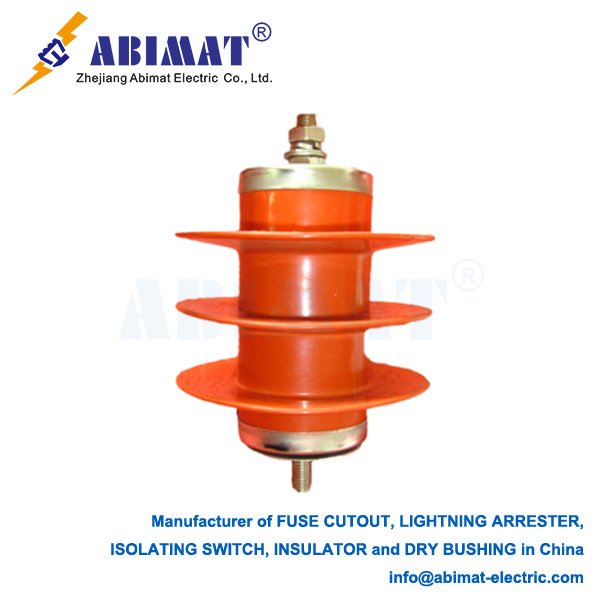
A porcelain surge arrester is a key device that protects electrical power systems. It is mostly used in transmission and distribution networks. Its main job is to keep expensive equipment safe—things like transformers, circuit breakers and switchgear. It does this by sending dangerous sudden voltage spikes to the ground. These spikes usually come from lightning or when switches are operated. By doing so, it stops the voltage from getting too high for the equipment it protects.
The arrester’s most important part is the metal-oxide varistor (MOV) block. It is usually made of zinc oxide mixed with other metal oxides. This block has a special resistance feature—it changes a lot based on voltage. At normal system voltage, it acts like an insulator. When hit by high voltage, though, it turns into a low-resistance conductor. This lets it channel the surge current away. This unique trait helps it hold the voltage down to a safe level, which people call residual voltage.

MOV blocks are sealed tight inside a cylindrical porcelain case. This strong outer shell is mechanically tough. It also stands up well to harsh weather—like UV rays and big temperature changes. It has a long record of working steadily in different atmospheric conditions. The porcelain case does another important job too: it keeps moisture and dirt away from the inner parts. That is crucial for keeping the arrester working well every time. Inside, you will often find grading rings or capacitors. These parts make sure voltage spreads evenly across the MOV columns that are connected in a series.
Porcelain arresters have some clear edges over those with polymer cases. They are much more durable and have a proven track record of reliable service. Their main strengths include strong mechanical performance. They also dissipate heat better, thanks to the porcelain’s ability to hold heat. On top of that, they resist tracking and erosion very well. These features make them perfect for tough places—like areas with heavy pollution. They also work great in situations where the device needs to handle a lot of energy.
All in all, abimat porcelain surge arresters are still a reliable and widely used solution for overvoltage protection. They combine two key parts: the highly responsive metal-oxide core and the strong, weatherproof porcelain case. This combination makes sure the insulation works in harmony with other system parts. It also keeps the electrical system reliable for a long time. That is why these arresters are so important for the safety and stability of today’s electrical infrastructure.