Post Type Insulators: A Critical Component in Electrical Power Systems
In the realm of electrical power transmission and distribution, insulation is paramount for safety, reliability, and efficiency. Among the various types of insulators, the post type insulator stands as a fundamental and robust component, primarily utilized in substations and on power line support structures.
Structure and Design
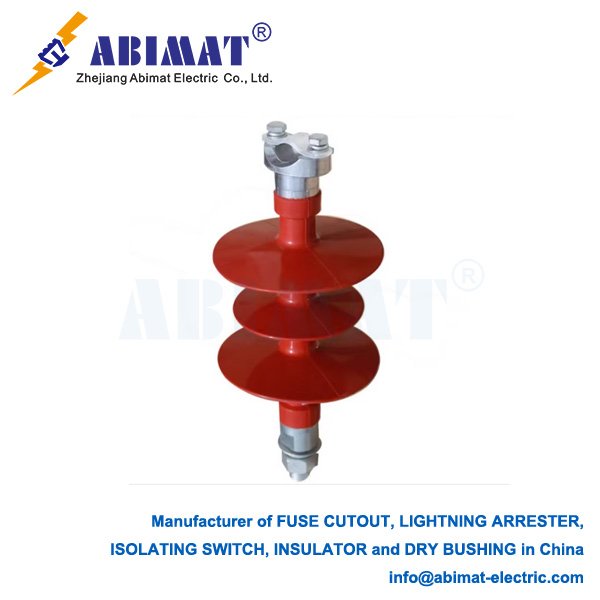
We call this kind of insulator a post type insulator—it’s rigid, stands vertically, and can handle big mechanical stresses. These stresses are mainly compression and bending, and it also does its main job of electrical insulation. It’s usually made with a central core. This core uses high-strength materials, like porcelain or a composite polymer such as silicone rubber. Around this core, there are external sheds (or petticoats).
The sheds aren’t just for looks. We design them to increase creepage distance—that’s the path along the insulator’s surface between the energized conductor and the grounded support. By making this path longer, the sheds stop a continuous conductive layer from forming. Such layers might come from moisture, pollution, or salt, and they could cause a flashover.
We also add metal fittings to the insulator—usually malleable iron or aluminum—one at each end. The top fitting holds the high-voltage conductor securely, while the bottom one is bolted directly to the grounded cross-arm or substation structure.
Materials and Advantages
The material we pick for the insulator decides what it’s like to use.
One common material is porcelain (or ceramic). It’s the traditional choice, and it’s very reliable. We know it for good dielectric strength and a long service life. But it’s brittle—if something hits it, it can break easily.
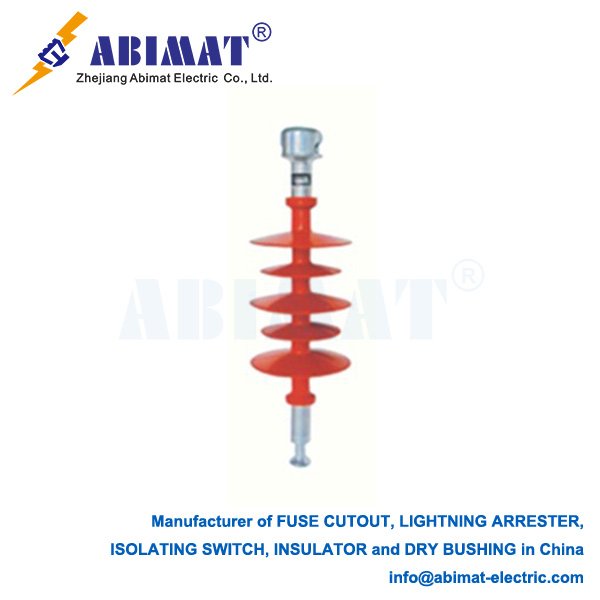
Another option is composite (polymer) materials. Modern composite insulators have a fiberglass rod for tensile strength. Their housing and sheds are made of ethylene propylene diene monomer (EPDM) or silicone rubber (SIR). They have key advantages: they’re lighter, resist vandalism better, and work really well in polluted environments. The silicone rubber is hydrophobic—this means water beads up on its surface, which stops a continuous conductive film from forming.
Key Functions and Applications
Post type insulators have two main jobs. One job is electrical insulation: they provide a high-impedance path, which stops current from flowing from the live conductor to the grounded structure. The other job is mechanical support: they hold up heavy conductors, busbars, and other equipment physically. They also resist mechanical loads—these come from wind, ice, and the weight of the conductors themselves.
When it comes to where we use them, substations are their main spot. There, they support busbars, disconnect switches, and other equipment. We also use them on distribution poles—they carry medium-voltage lines there. And sometimes, we put them on certain transmission structures too.
Post type abimat insulators are a must for electrical infrastructure. Their strong design combines good electrical insulation with great mechanical strength. This design makes sure power grids run stably and safely. Now, we’re moving from traditional porcelain to advanced polymer composites. This change keeps making their performance better, especially in tough environmental conditions—and this lets them stay a key part of modern electrical engineering.