

Post Insulators in Substations
A 132 kV lightning arrester, often called a surge arrester, plays a key role in protecting high-voltage power transmission and distribution networks. It shields costly substation equipment—think transformers, circuit breakers and bushings—from harmful overvoltages. These sudden voltage spikes usually come from lightning hitting power lines or from switching operations in the system.
Nearly all modern 132 kV arresters use metal-oxide (MO) technology, with no series gaps. Their core part is a stack of zinc-oxide (ZnO) resistor discs. These discs sit inside a housing made of polymer or porcelain. The ZnO discs have a very special voltage-current trait—they act differently based on how much voltage is applied.
Under normal system conditions, the voltage is 132 kV between phases, or about 76 kV from a phase to the ground. The discs have extremely high resistance then, letting only tiny microampere-level leakage current pass through. When a surge hits—one that goes over the arrester’s rated voltage—things change fast. The discs’ resistance drops sharply in just nanoseconds. This creates a low-resistance path to the ground, pulling the surge current away from the equipment it’s protecting.
Once the surge is gone, the discs snap back to their high-resistance state right away. This cuts off the connection between the system and the ground, letting the power network keep working as normal.
When choosing or designing a 132 kV arrester, several key factors matter. Rated Voltage is one—this is the highest power-frequency voltage the arrester can handle during short-term overvoltage events. Then there’s Nominal Discharge Current, the peak lightning current used to classify the arrester. For station-class arresters, this is usually 10 kA.
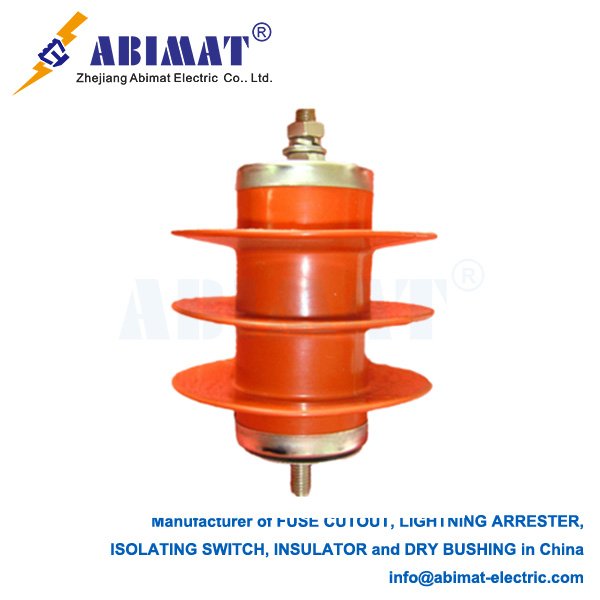
Line Discharge Class is another important parameter. It shows how much energy the arrester can absorb when dealing with switching surges. Protection Level, too, can’t be ignored. This is the leftover voltage across the arrester when specific discharge currents flow through it. It must be well below the Basic Insulation Level (BIL) of the equipment it protects—otherwise, the equipment could still get damaged.
The housing material makes a difference too. Polymeric housings work better than traditional porcelain in polluted environments. They’re also lighter and less likely to break if something hits them.
Picking the right arrester, installing it properly and keeping up with maintenance are all essential. The arrester should go as close as possible to the equipment it protects. Short lead lengths are a must—they reduce voltage drops caused by induction.
Regular checks are standard practice. Technicians look for physical damage, dirt buildup and unusual heat. They often use thermal imaging cameras or monitor leakage current to spot problems early.
In short, the abimat 132 kV metal-oxide surge arrester is a tough, quick-acting device that doesn’t need much upkeep. It stands as the first defense for insulation coordination in power networks, helping keep high-voltage assets reliable and long-lasting.
