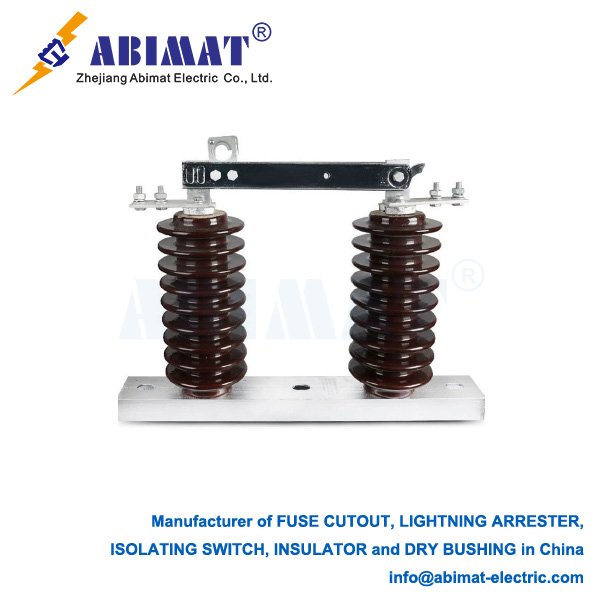
Technical Overview of the Off-Load Disconnector
An off-load disconnector—most people call it an isolator or disconnect switch—is a basic mechanical switching tool in electrical power systems. Its main job, the one that defines it, is to make a reliable, easy-to-see air gap. This gap separates the part of the circuit with no power from the live parts, and it keeps workers safe when they fix or check equipment.
There’s a strict rule for using it. You can never use this device to start or stop current when the circuit is carrying a load. That’s a job only circuit breakers can do.
Core Functions and Operational Principle
This device’s real value is in keeping people safe. It makes a break in the circuit that you can see clearly. That break gives workers proof—physical proof—that the equipment is cut off from every possible power source.
Its design is simple by choice, and it’s tough too. Unlike circuit breakers, it doesn’t have the fancy parts that stop electrical sparks. So it’s only safe to use when the circuit is “no-load” or “off-load.”
What that means is simple. A device upstream—something like a circuit breaker—must have already shut off the circuit. This way, no large current is flowing through it.
In switchyards, workers usually put disconnectors on both sides of a circuit breaker. This lets them isolate the breaker safely when it needs maintenance. The other busbars or power lines connected to it can stay live while they work.

Common Design Types
There are several different mechanical designs for these devices. Which one you use depends on how much voltage the system has and how much space you have. The main types are listed below:
- Double-Break (Vertical-Rotation): It has a central insulator post that turns. A moving contact is attached to this post. When the post spins, the contact moves up or down to break its connection with two fixed contacts.
- Single-Break (Horizontal-Rotation): This type uses two insulator posts. A moving arm is fixed to one of them. It turns sideways to disconnect from the contact on the second post.
- Pantograph (Single-Column): This one saves space. It has just one insulator column. The moving contact moves up and down from this column in a half-scissor motion, making it perfect for small substations.
Applications and Modern Developments
Disconnectors do more than just isolate parts of the circuit. They also help change how busbars are arranged. In complicated power grids, they move electrical loads from one feeder to another.
Modern updates focus on two key things: making the device easier to operate intelligently and more dependable. Researchers are working actively on smart monitoring systems.
These systems use different kinds of signs. Things like how auxiliary contacts are working and sudden spikes in dynamic impedance count here. They help figure out exactly if the disconnector’s blade is open or closed—and they do it quickly and reliably. This info is useful for controlling and managing the power grid from far away.
To sum up, the abimat off-load disconnector is a safety device you can’t do without in electrical setups. Its only job is to provide secure, visible isolation. It does this with simple, long-lasting mechanical movement.
Using it correctly and safely is very important. You must always operate it in the right order with a device that can stop load current. This rule is the base of electrical safety and reliable power systems.