The 22 kV Pin Insulator: A Key Part of Distribution Line Insulation
The pin insulator is a basic and strong part in electrical distribution networks. It’s mainly made to hold live conductors and insulate them from grounded utility poles. In 22 kV power systems, it’s still a cheap and reliable choice.
Function and Design Principle
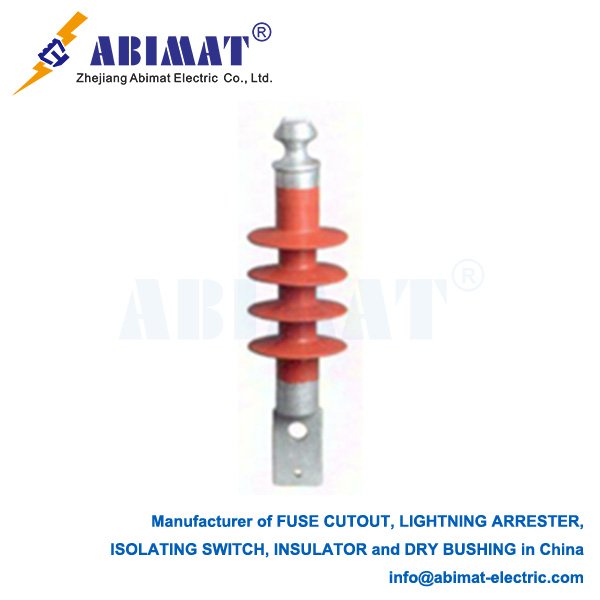
The main job of a pin insulator is to hold the current-carrying conductor mechanically. It also electrically separates the conductor from the earthed pin it’s mounted on. Its design uses a single solid piece of insulating material. Traditionally, this material is porcelain. Now, polymer (like silicone rubber) is more common. The insulator has a series of petticoats or sheds.
These petticoats matter a lot. They do two things. First, they make the leakage path on the insulator’s surface longer. This stops flashover when it rains, fogs or gets dirty. Second, they keep parts of the insulator dry. This makes it work better in wet conditions.
Key Construction Features
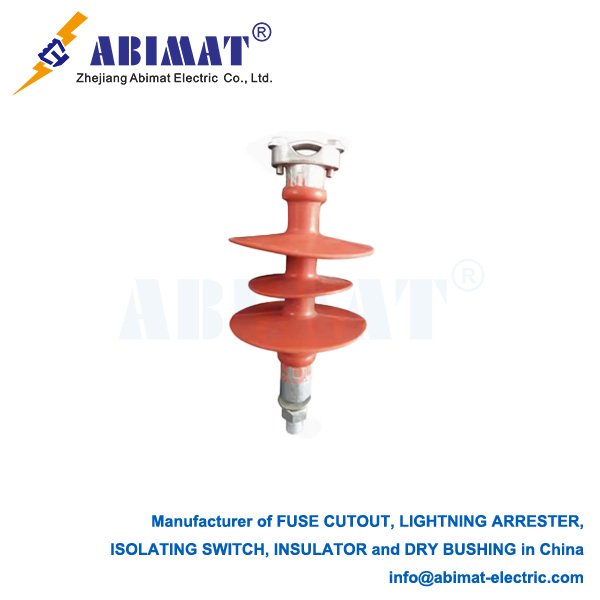
A typical 22 kV pin insulator has several parts. It has a dielectric body. This body is either high-grade porcelain with a strong glaze or a light, water-repellent polymer housing with a fiberglass rod. It also has multiple well-designed petticoats or sheds. These sheds match the 22 kV rating and local environmental conditions. There is a groove at the top. The conductor sits here and is fixed with binding wire. At the bottom, there is a threaded cavity. It helps attach the insulator firmly to the steel pin on the cross-arm.
Advantages and Limitations
The pin insulator has many good points. It has a simple and durable structure with high mechanical strength. It needs little maintenance. The polymer type especially needs less because it has better water-repellent property. It’s also an economical choice for straight-line supports and low-tension uses.
But it has some limits. It’s usually only practical for distribution voltages up to about 33 kV. For higher voltages, the insulator becomes too big and expensive. It’s also less effective when there are big horizontal loads. This happens at angles or dead-ends, where strain insulators are better.
Material Evolution
Porcelain has long been the traditional material. It’s very durable and has high compression strength. But composite polymer insulators are getting more popular now. They are lighter. Their water-repellent surfaces make them perform better in polluted areas. They are also more resistant to vandalism.
Conclusion
The abimat 22 kV pin insulator is a mature and proven technology. It still plays an important role in medium-voltage distribution. Its simple design, reliability and low cost make it a great choice for insulating overhead lines in many environments. It ensures electrical power is delivered safely and continuously.