The Critical Role of 500 kV Disconnect Switches in Electrical Power Systems
High-voltage electrical transmission systems have a key part: the 500 kV disconnect switch. It keeps the system safe, reliable and flexible to operate. It runs on extra-high voltage (EHV). These switches help manage and control large amounts of power as it moves over long distances.
A disconnect switch’s main job isn’t to stop load current or fault current. It’s to make a safe, easy-to-see air gap. This gap isolates a part of the circuit. This physical isolation matters a lot for maintenance workers’ safety. It lets them work on equipment that has no power—like transformers, circuit breakers or transmission lines. They can be sure the circuit is electrically cut off. You need to tell disconnect switches apart from circuit breakers. Circuit breakers are built to stop current—both in normal use and when there’s a fault. A disconnect switch, though, should only be used when no current is flowing through it. Usually, this happens after a circuit breaker has opened the circuit.
500 kV disconnect switches have special features because of the very high voltages involved.
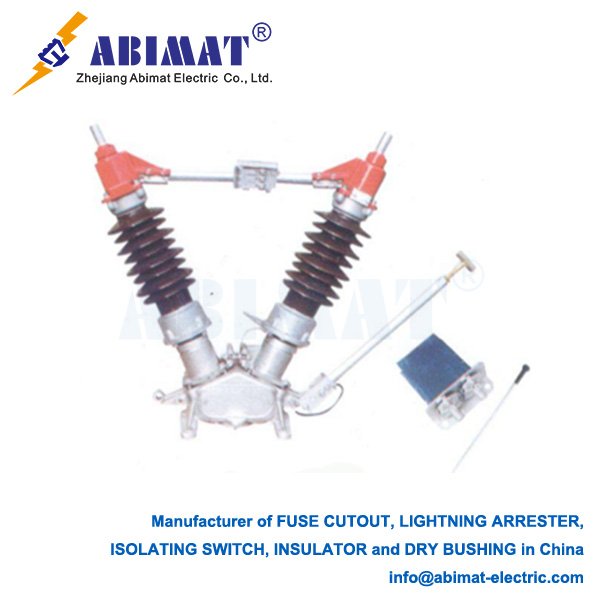
They need strong insulation. So they have long insulating columns. These columns are often made of porcelain or composite polymer materials. They handle high electrical pressure. They also keep a safe space between energized parts and grounded parts.
Even though they aren’t made to stop current, opening or closing the contacts can make small arcs. Switches have arcing horns or rings for this. These parts control the arcs. They keep the main current-carrying contacts from getting damaged.
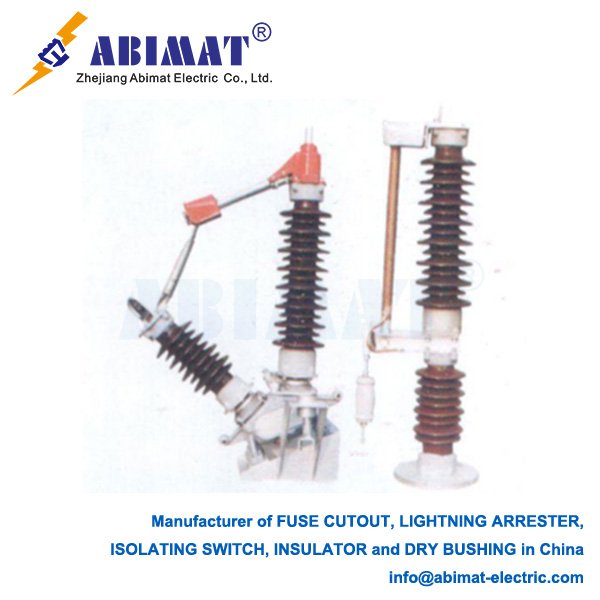
Most 500 kV switches are big. You also need to control them precisely. That’s why most use motors to work. This lets people control them from far away—like a substation control room. You only use manual operation for emergencies or maintenance.
They must have good mechanical and electrical interlocking systems. These systems stop people from using a disconnect switch by mistake when it’s under load. This protects both workers and equipment.
There are two main types of these switches in substations.
The first is vertical-break switches. Their moving contact moves in a vertical arc. This type is common when there isn’t much space.
The second is center-break switches. They have two moving arms. These arms open horizontally from the center. This design often keeps the contacts more stable. It’s used a lot.
The abimat 500 kV disconnect switch looks simple. But it’s really important. It gives a reliable, easy-to-see way to isolate parts. This is the base for safe maintenance work. It also lets the high-voltage network be set up in flexible ways. You have to design, install and use it the right way. That’s necessary for the modern electrical grid to stay stable and safe.