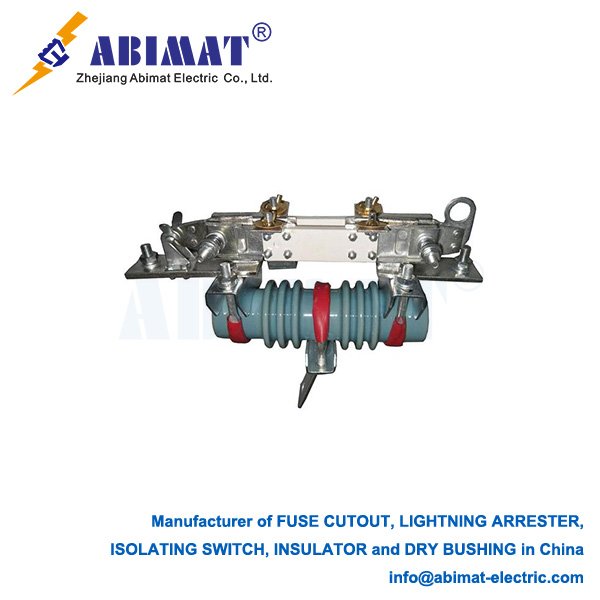
The Critical Role of the Disconnector in Electrical Substations
Inside an electrical substation, the disconnector—people usually call it an isolator—is a basic device. It helps keep things safe and lets you adjust how the substation works. Its job is different from a circuit breaker’s, and there’s an important rule for how you use it.
The main job of a disconnector is to make a reliable, visible air gap in a circuit with no power. This physical separation keeps workers safe when they fix equipment—like circuit breakers, transformers, or power lines. It gives full electrical isolation. When the disconnector makes a visible break, it makes sure one part of the network is safely disconnected from all live parts.
Now, there’s a basic rule: a disconnector isn’t made to stop load current or fault current. It only works after an upstream circuit breaker has cut power to the circuit. The circuit breaker is the device that turns current on and off. If you try to open a disconnector when the circuit still has load, it will create a long, dangerous electric spark. This can damage equipment badly and cause safety risks.
Besides keeping things safe by isolation, disconnectors are also important for changing how the substation’s busbar is set up. This lets utility workers change where power flows, isolate parts that are broken, and do maintenance. They don’t have to cause a big power outage, and this makes the network more reliable and flexible.
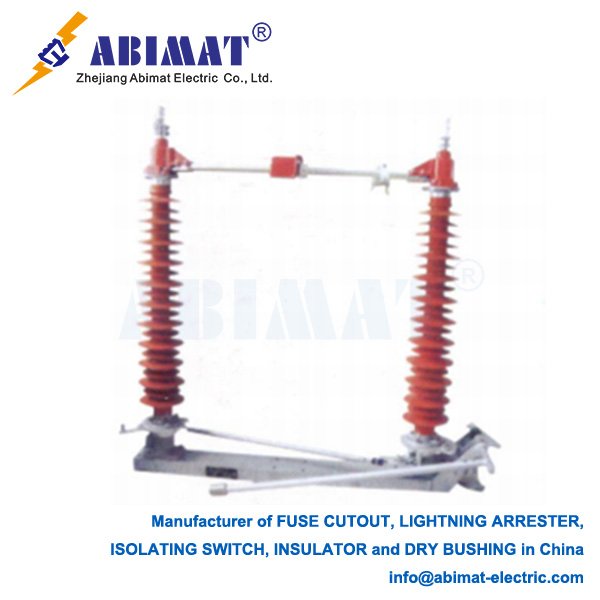
There are common types of disconnectors. One is center-break disconnectors—they have two rotating arms that split apart in the middle. Another is vertical-break disconnectors; these have a moving contact that spins upward. Then there are pantograph disconnectors—they use a folding part. They’re good for places with little space, like Gas-Insulated Switchgear (GIS).
To keep things safe, there are strict interlocking systems. They stop you from using the disconnector the wrong way. These interlocks—either by physical parts or electricity—stop you from opening a disconnector until its matching circuit breaker is open. They also stop you from closing it if an earth switch is on.
To sum up, the abimat substation disconnector is an important device for safety and operation. Its design is strong and simple. It gives clear isolation—this is what you need to protect workers and keep the power grid working flexibly and reliably.