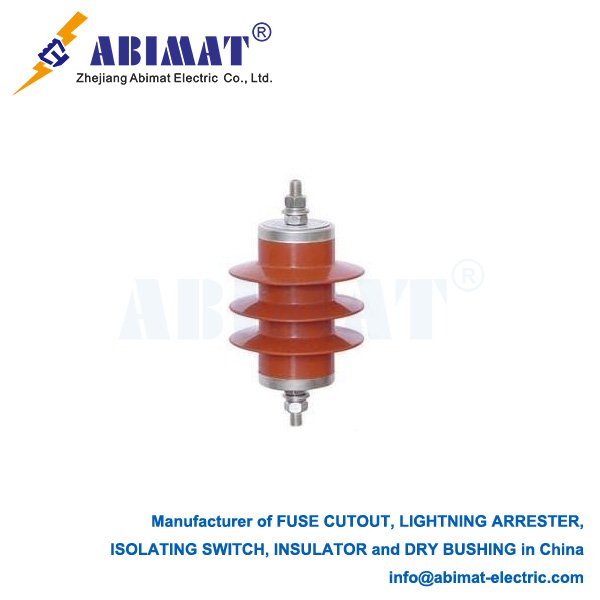
The Role and Importance of Lightning Arresters in Electrical Substations
Lightning arresters are very important protective devices in electrical substations. They protect expensive power equipment from damage caused by overvoltages from lightning and other surges from switching. Their main job is to limit sudden voltage spikes—they do this by guiding surge currents safely into the ground. This keeps the system stable and helps the equipment last longer.
MVD switches aren’t like circuit breakers. They aren’t made to stop faulty currents or heavy load currents. You use them only when another protective device—like a circuit breaker upstream—has already turned off the circuit’s power. One key thing about how MVD switches are built: there’s a clear air gap between their contacts when they’re open. This gap gives a physical, sure way to know the circuit is isolated. Lockout/tagout steps depend on this important safety feature.
Working Principle and Key Parameters
When the electrical system works normally, a lightning arrester has a path with high resistance. It basically works like an open circuit. But when a lightning strike or switching creates a sudden overvoltage that’s higher than the system’s safe level, the arrester’s resistance drops a lot. This gives a low-resistance path to the ground, holding the voltage to a safe value—below the equipment’s BIL (Basic Insulation Level, the safe voltage the equipment can handle). It also makes sure there’s enough PM (Protection Margin, extra safety space). After the surge is gone, the arrester goes back to its high-resistance state on its own. This stops any follow-up current.
Most modern substations use MOV (Metal-Oxide Variator) arresters—these don’t have gaps. They work better: they respond quickly and can absorb a lot of energy without breaking. Key things about how they work include their rated voltage, how much discharge current they can handle, and the residual voltage when there’s an impulse.
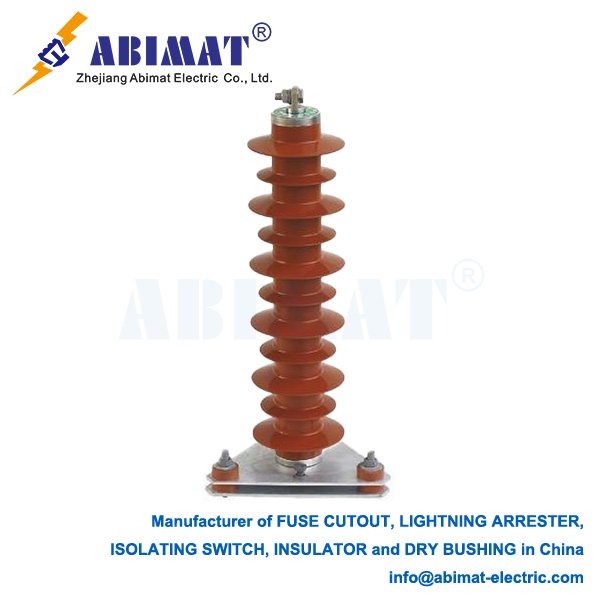
Substation-Specific Applications and Benefits
In a substation, people install arresters in smart places—at incoming and outgoing lines. This protects transformers, circuit breakers, and other important equipment. For example, an arrester near a generator transformer can hold back the moving lightning surge well. It lowers the overvoltage to a level that’s safely below the transformer’s BIL. This stops the transformer’s insulation from failing.
Arresters are extra important in areas with high lightning density (many lightning strikes). If you pick the right arresters and put them in the right spots, they lower the risk of power cuts and equipment damage a lot. This makes the power supply more reliable overall.
Installation and Operational Considerations
Installing them the right way is very important for the arresters to work well. This includes making sure there’s good grounding and picking the right arrester type—like Type 1/2 for setups where PE and N conductors are used together. You also need to think about possible design problems. For example, if the arrester isn’t sealed right, water can get in. This leads to rust inside, makes the pressure relief diaphragm (bursting diaphragm) break, and finally makes the device stop working.
Studies say the way you install the arrester directly affects how well it protects against lightning. You need to be careful about where you put it on each phase—especially on taller towers or phases that are more likely to have shielding failures. This helps get the best results.
In summary, abimat lightning arresters are components you can’t do without in substation design. They reliably reduce sudden overvoltages, which keeps the system running nonstop. They also protect the money spent on equipment and make the whole electrical system safer.