A Categorical Overview of Electrical Disconnectors
The vertical break disconnect switch is a key and tough component in air-insulated substations (AIS) and high-voltage power transfer systems. Its main job is to keep electrical circuits that aren’t carrying electricity safely and clearly separated. This separation lets workers do maintenance and repairs without risk. It is not made to cut off load current or fault current—those jobs go to circuit breakers. It only works when the circuit has no electricity flowing through it.
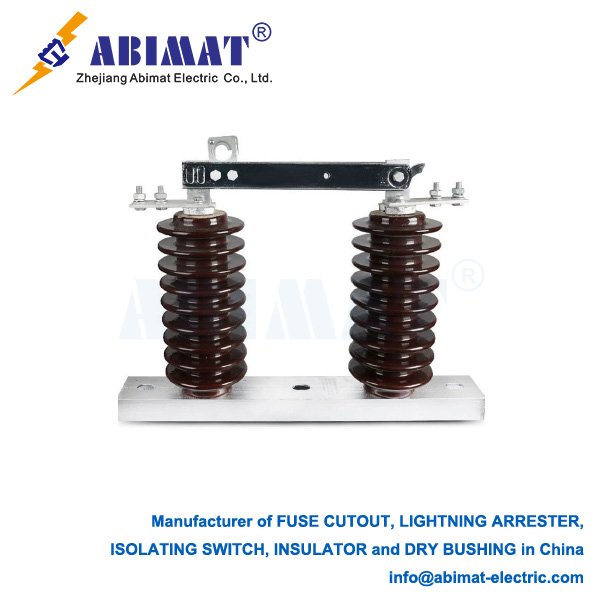
This switch stands out because of how it works. It has one or more moving blades that swing up and down to turn the circuit on or off. Most of these switches have two or more insulator posts. These posts sit on a strong base frame. One post holds a fixed contact part. The post next to it has a hinge that spins—and the blade is attached to that hinge.
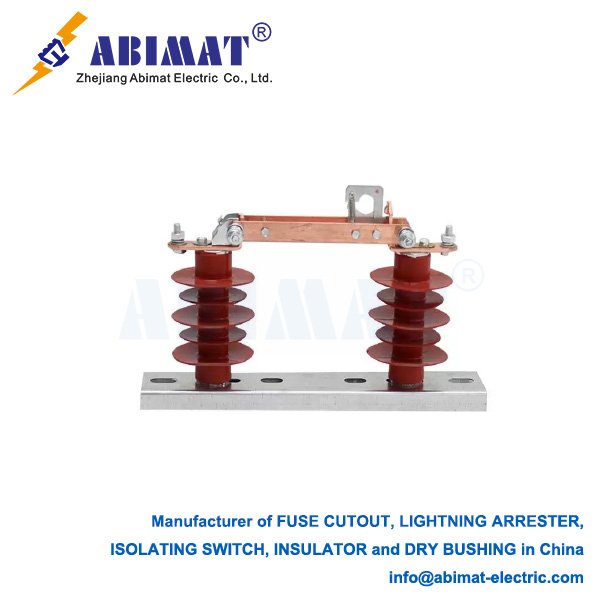
You can operate the switch by hand or with a motor. When you close the switch, the blade swings up and locks into the fixed contact. This creates a tight connection that lets electricity flow easily, with little resistance. To open the circuit, the blade swings down. This makes a clear vertical gap of air between the parts. This “vertical break” is easy to see, and that’s a big safety plus—you can tell right away if the switch is on or off.
A useful design feature is the arcing horns or extra contacts. These are separate contacts, not the main ones that carry electricity. They open after the main contacts do, and close before them. This protects the main contacts from damage. Small sparks can sometimes happen when cutting off tiny capacitive or magnetizing currents, and these extra parts take the hit instead.
The vertical break design has a lot going for it. It’s mechanically simple, so it’s very reliable. It doesn’t need much upkeep, and it lasts a long time. Gravity helps the blade swing down when opening—this makes the disconnect sure and steady. It’s also built strong, so it can handle bad weather like strong winds and ice.
All in all, the abimat vertica al break disconnect switch is still a vital part of power systems. It offers a cheap, trustworthy way to separate circuits—and you can see that separation clearly. For keeping workers safe and power networks working well, this switch is something you can’t do without.