Types of Disconnect Switches in Electrical Systems
A disconnect switch—people often call it an isolator—is a key safety part in electrical systems. You use it mainly to make sure a circuit is completely off: for maintenance, servicing, or when you need to shut things down in an emergency. Circuit breakers can stop fault currents, but these switches can’t. They only make a clear, trustworthy air gap. This gap lets you see the circuit is physically cut off. You can group these switches by a few key things.
Installation Location
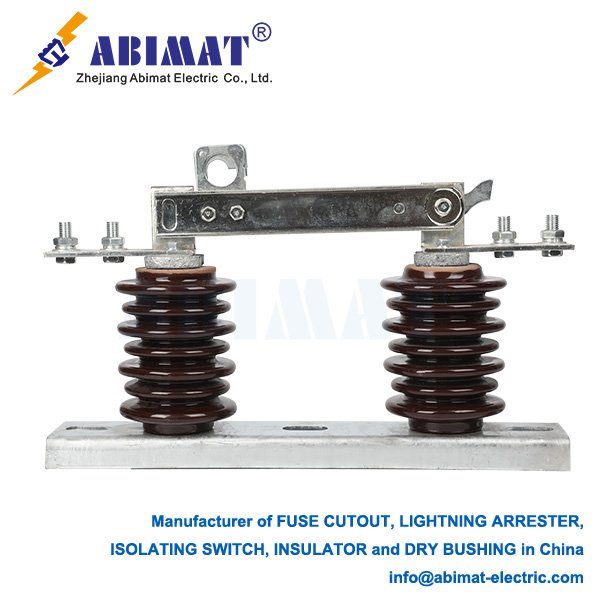
Where you install the switch is one way to categorize them. Indoor switches are made for safe, covered spaces. They fit inside switchgear or closed cabinets. They’re small and usually rated for lower voltages than outdoor ones. Outdoor switches, though, can stand bad weather—rain, wind, ice, even pollution. They’re built strong with wider air gaps. You’ll often find them in substations or on overhead power lines.
Type of Current
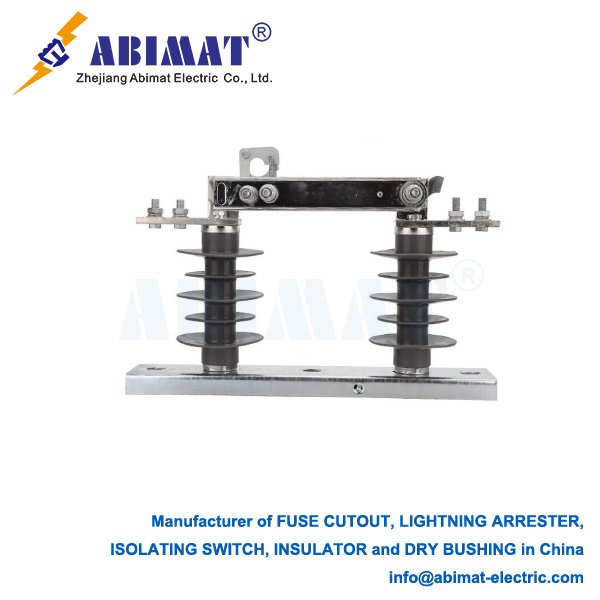
The current they use is another way to sort them. AC disconnect switches are the most common. They work with the sinusoidal flow of AC power systems. DC disconnect switches are for DC circuits specifically—like the ones in solar farms, battery storage setups, or railway power systems. Stopping arcs in DC is harder. That’s because there’s no natural current zero, so these switches usually have special design features.
Operational Mechanism and Design
How you build the moving contacts matters a lot for their design. Center-break switches have two insulating arms. The contacts on these arms move left or right to open or close in the middle. This design is stable, and it’s common in high-voltage uses. Side-break switches—either single or double—have a moving arm. This arm turns left or right to connect to, or disconnect from, a fixed terminal on the side. They’re simple and cheap, so people often use them for medium voltages. Vertical-break switches have a moving arm too. This arm spins up or down to break the connection. They’re good for tight horizontal spaces, and they work well in icy conditions—their opening action can break ice. Pantograph switches use a mechanism that looks like scissors. It stretches the contacts left or right. Their small horizontal size makes them perfect for tight spots, like between high-voltage transmission lines.
Specialized Types
There are also special disconnect switches for specific jobs. Load-break switches (LBS) are a mix. They isolate circuits, and they can shut off normal load currents, but they can’t stop short-circuit faults. Fused disconnect switches have fuses inside them. They do two things: they isolate circuits, and they protect against overcurrent and short circuits. You’ll see them a lot in motor control circuits and service entrances. Gang-operated switches use one handle to open or close all poles at the same time. Non-gang-operated ones, though, let each pole work by itself. This is a key safety feature for certain testing and phasing tasks.
Picking the right abimat disconnect switch is important for system safety, reliability, and how well it works. What you choose depends on things like voltage level, where you install it, the safety features you need, and what you use it for in the electrical network.